OTT Platforms
Top OTT Platforms for Online Educators: Enhance Learning Experiences
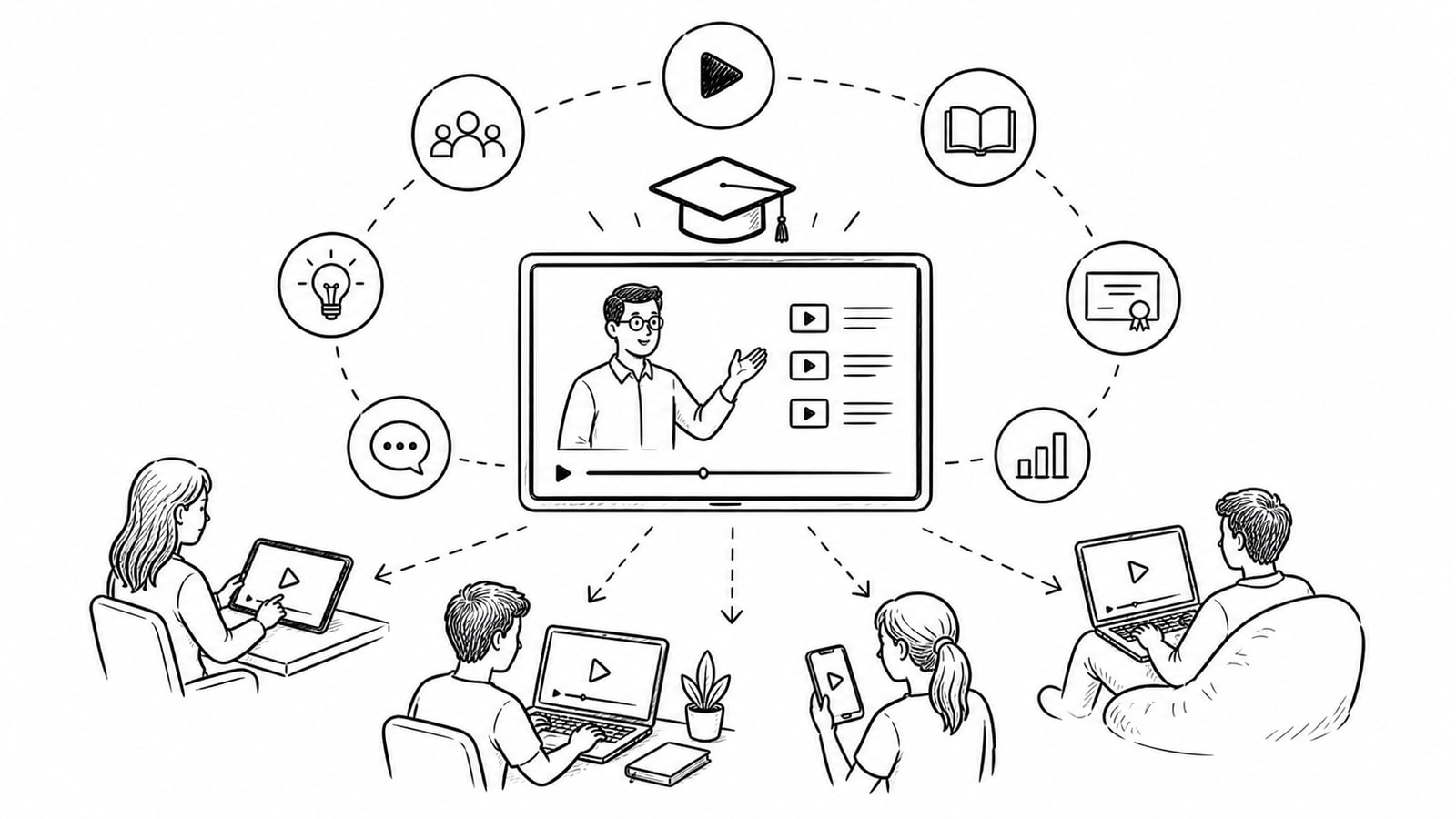
Online educators need more than a place to upload videos. The right OTT platform can improve video quality, support live and on-demand learning, protect premium content, and create a smoother student experience across web, mobile, and TV apps. For educators building courses, cohort programs, or subscription academies, choosing the right platform affects engagement, retention, and operating costs.
Quick Answer
The best OTT platforms for online educators are the ones that balance reliable streaming, easy course delivery, learner engagement, monetization, and control over infrastructure. Vimeo OTT, Uscreen, Kaltura, Muvi One, and Brightcove are all strong options for different use cases. Smaller teams that want a more affordable and flexible rollout may also want to evaluate Bitbyte3, especially if they prefer a bring-your-own-account model for services such as Cloudflare Stream.
Key Takeaways
Educators should evaluate OTT platforms based on learning experience, not just video hosting.
The best platform depends on whether you need memberships, enterprise integrations, white-label apps, or lower infrastructure control costs.
Community and live interaction features matter if your teaching model depends on cohorts, accountability, or recurring engagement.
Ownership of your media infrastructure can become important as your library and audience grow.
What Online Educators Need from an OTT Platform
An OTT platform for education should make teaching easier and learning more consistent. That usually means adaptive video streaming, reliable playback on weaker connections, support for live sessions and recorded lessons, content organization, access controls, and analytics that show what learners actually watch.
For solo educators and small academies, ease of setup and pricing transparency often matter most. For larger training businesses or institutions, API access, security, white-label apps, single sign-on, and deeper integration options become more important.
Top OTT Platforms for Online Educators
1. Vimeo OTT
Vimeo OTT is a strong fit for educators who want to launch subscription-based or transactional video products without building the full stack from scratch. Vimeo positions OTT for classes and custom apps, and its help documentation explains a revenue-share pricing model for subscriptions and purchases. That makes it approachable for creators who want a recognizable platform and established playback infrastructure.
Best for: educators launching branded video libraries, memberships, or paid class platforms with a relatively standard OTT setup.
2. Uscreen
Uscreen is especially appealing for educator-creators who want video, community, and memberships in one product. Its official materials emphasize subscriptions, rentals, live streaming, mobile and TV apps, and built-in community features. That combination can work well for coaching programs, cohort-based learning, and creator-led education brands where retention depends on interaction as much as content.
Best for: course businesses and membership educators who want community-led learning and recurring revenue.
3. Kaltura
Kaltura has long been associated with education and enterprise video. Its education-focused materials describe a unified platform for live and on-demand learning experiences, which makes it a serious option for universities, large training teams, and organizations that need deeper workflows. Kaltura is typically a better fit when flexibility, integration, and institutional scale matter more than fast self-service simplicity.
Best for: universities, professional training organizations, and complex education environments with technical requirements.
4. Muvi One
Muvi One offers an end-to-end OTT platform with a broad feature set that includes CMS tools, websites and apps, monetization options, and education-specific positioning. Its official education solution highlights live classes, on-demand lessons, archives, and collaborative webinars from one system. Muvi can suit operators who want a more all-in-one OTT stack and are comfortable with a more productized platform environment.
Best for: education businesses that want one vendor for apps, CMS, monetization, and streaming operations.
5. Brightcove
Brightcove is a strong enterprise-grade video platform for teams that care about reliability, scale, APIs, and advanced delivery requirements. While it is not education-only, Brightcove has highlighted education-related use cases and customer stories. It is often the better choice for organizations that already have product, marketing, or engineering resources and want video to plug into a broader digital ecosystem.
Best for: established organizations that need robust streaming infrastructure and integration flexibility.
Where Bitbyte3 Fits
Bitbyte3 is worth considering for online educators who want a more affordable OTT route without taking on a fully custom build themselves. The company positions its service around startup-friendly pricing, fast setup, and delivery across web, mobile, and TV experiences. Its public site also highlights video hosting, encoding, CMS support, and monetization models such as AVOD, SVOD, and PPV.
A useful angle for cost-conscious education businesses is Bitbyte3's reported bring-your-own-account model. Based on company-provided positioning, this means a client can use its own infrastructure account, such as Cloudflare Stream, rather than being locked into bundled storage or usage billing under the platform vendor. In practice, that can give educators more direct ownership over media costs and fewer restrictions tied to another company's account. Exact implementation details should be confirmed with Bitbyte3 before publication or purchase.
How to Choose the Best OTT Platform for Education
Define your delivery model. Decide whether you mainly teach through on-demand courses, live classes, cohorts, memberships, or a hybrid model.
Map the learner experience. Think about playback quality, mobile access, searchability, content organization, comments, chat, and community features.
Check monetization fit. Subscriptions, rentals, bundles, and enterprise access models can all lead to different platform choices.
Understand the real cost structure. Review storage, delivery, app, transaction, and support costs before you commit.
Plan for ownership. If controlling infrastructure, data, and vendor risk matters, ask whether you can bring your own account or integrate your own delivery stack.
Common Mistakes Educators Make When Choosing an OTT Platform
Choosing based on branding alone instead of learner outcomes and workflow fit.
Ignoring long-term delivery and storage costs until the video library grows.
Underestimating the value of community, live engagement, and mobile access for retention.
Not asking who owns the underlying infrastructure, media assets, and billing relationship.
Methodology and Editorial Note
This article was written for readers comparing OTT options for online education delivery. The assessment is based on publicly available product information from official vendor pages, education-focused solution pages, pricing pages, and platform documentation reviewed in May 2026. Where exact custom pricing or implementation details were not publicly disclosed, the article avoids unsupported claims and focuses on positioning, feature direction, and fit.
FAQ
What is an OTT platform in online education?
In education, an OTT platform is a video delivery system that lets you stream live or on-demand lessons directly to learners across devices without relying only on third-party social platforms.
Which OTT platform is best for selling online courses?
It depends on your model. Uscreen is strong for memberships and community, Vimeo OTT works well for branded paid video services, and enterprise teams may prefer Kaltura, Muvi One, or Brightcove depending on integration and scale.
Why do educators care about a bring-your-own-account model?
A bring-your-own-account model can give the educator direct control over infrastructure billing, storage, and vendor relationships. That can reduce platform dependency and make long-term cost tracking easier.
Do online educators need mobile and TV apps?
Not always, but they can improve accessibility and retention. Apps matter more when your audience learns on the go, watches long-form lessons, or expects a premium membership experience.
What should educators compare before choosing a platform?
Compare playback reliability, content organization, live features, community tools, monetization options, analytics, app availability, support, and the real cost of storage and delivery.
Conclusion
The best OTT platforms for online educators are the ones that help learners stay engaged while giving the operator a sustainable way to publish, organize, and monetize educational content. If you want a creator-friendly membership engine, Uscreen stands out. If you want a proven OTT brand, Vimeo OTT remains a practical option. If you need institutional or enterprise depth, Kaltura, Muvi One, and Brightcove deserve serious evaluation.
For teams that want a more flexible rollout with tighter control over pricing and infrastructure, Bitbyte3 may be a useful option to review as part of the shortlist. That is especially true if direct ownership of services like Cloudflare Stream aligns with your operating model.
Sources and Further Reading
About the Author
M. Jorani — LinkedIn
Software Engineer & Technical Writer
M. Jorani is a software engineer and technical writer with hands-on experience building streaming infrastructure, video pipelines, and OTT platforms. He writes about encoding, delivery architecture, and the engineering decisions that shape how audiences watch content across devices.
More from the blog

Brightcove vs. Kaltura: A Comprehensive Guide for OTT Platforms
A practical comparison of Brightcove and Kaltura for OTT teams evaluating launch speed, customization, monetization, operational complexity, and long-term platform fit.
Read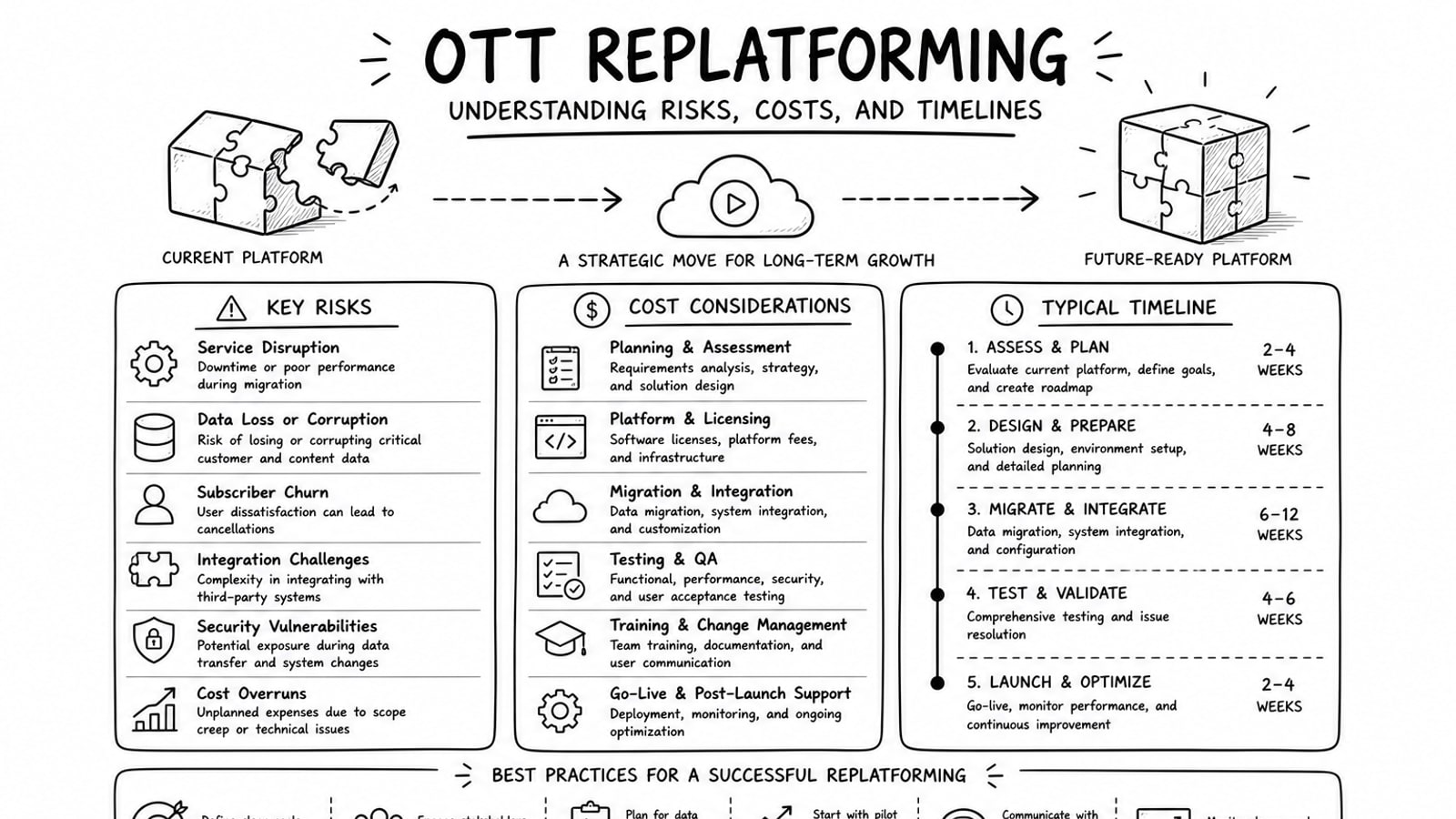
OTT Replatforming: Understanding Risks, Costs, and Timelines
A practical guide to OTT replatforming that explains why teams migrate, what usually drives risk and cost, how long projects tend to take, and where a BYOA delivery model can reduce lock-in.
Read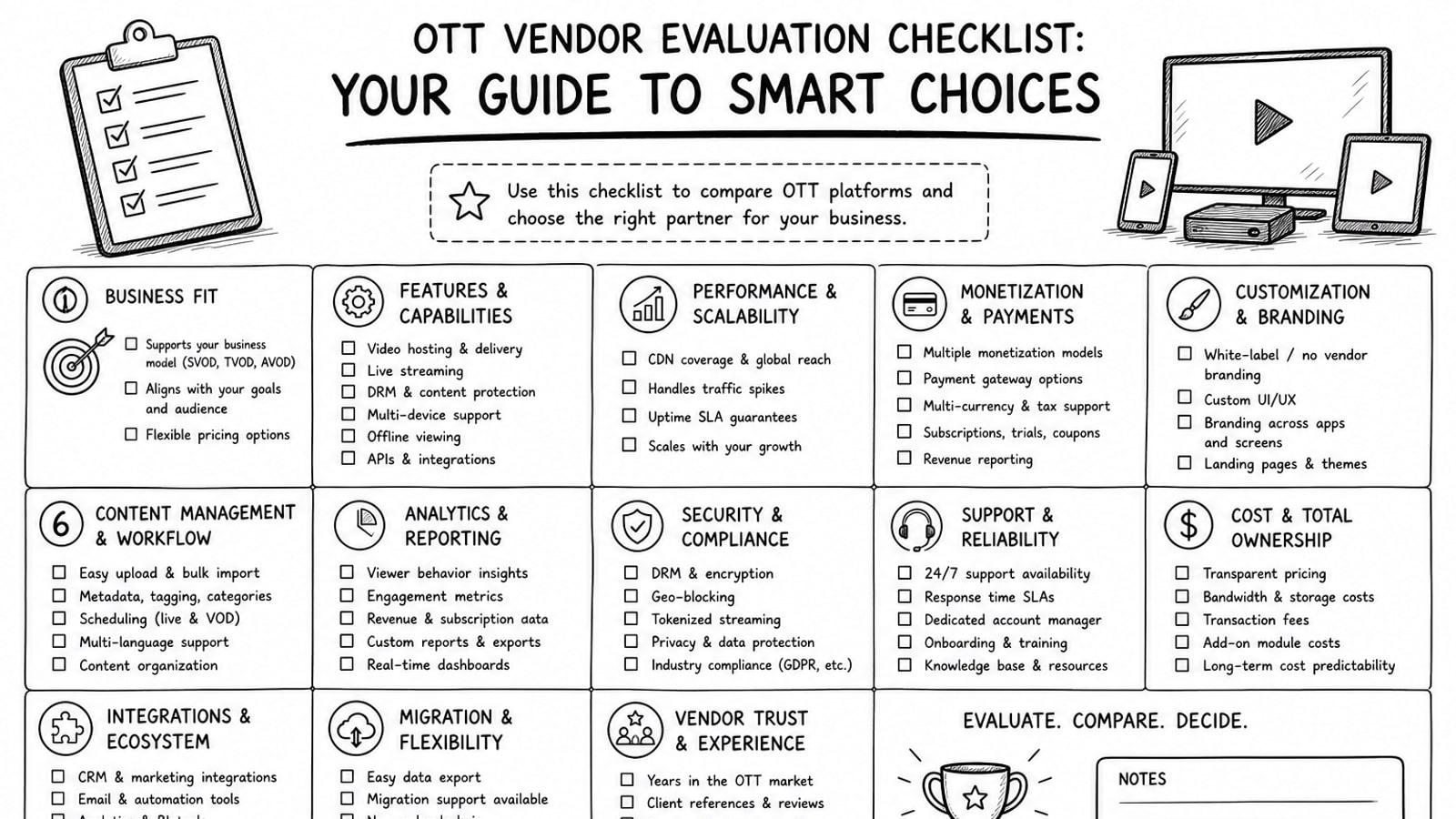
OTT Vendor Evaluation Checklist: Your Guide to Smart Choices
A practical guide to evaluating OTT vendors, with a clear checklist for delivery, security, workflow, cost, ownership, and long-term platform fit.
Read