OTT
OTT Platform Migration Case Study Template: Documenting Success
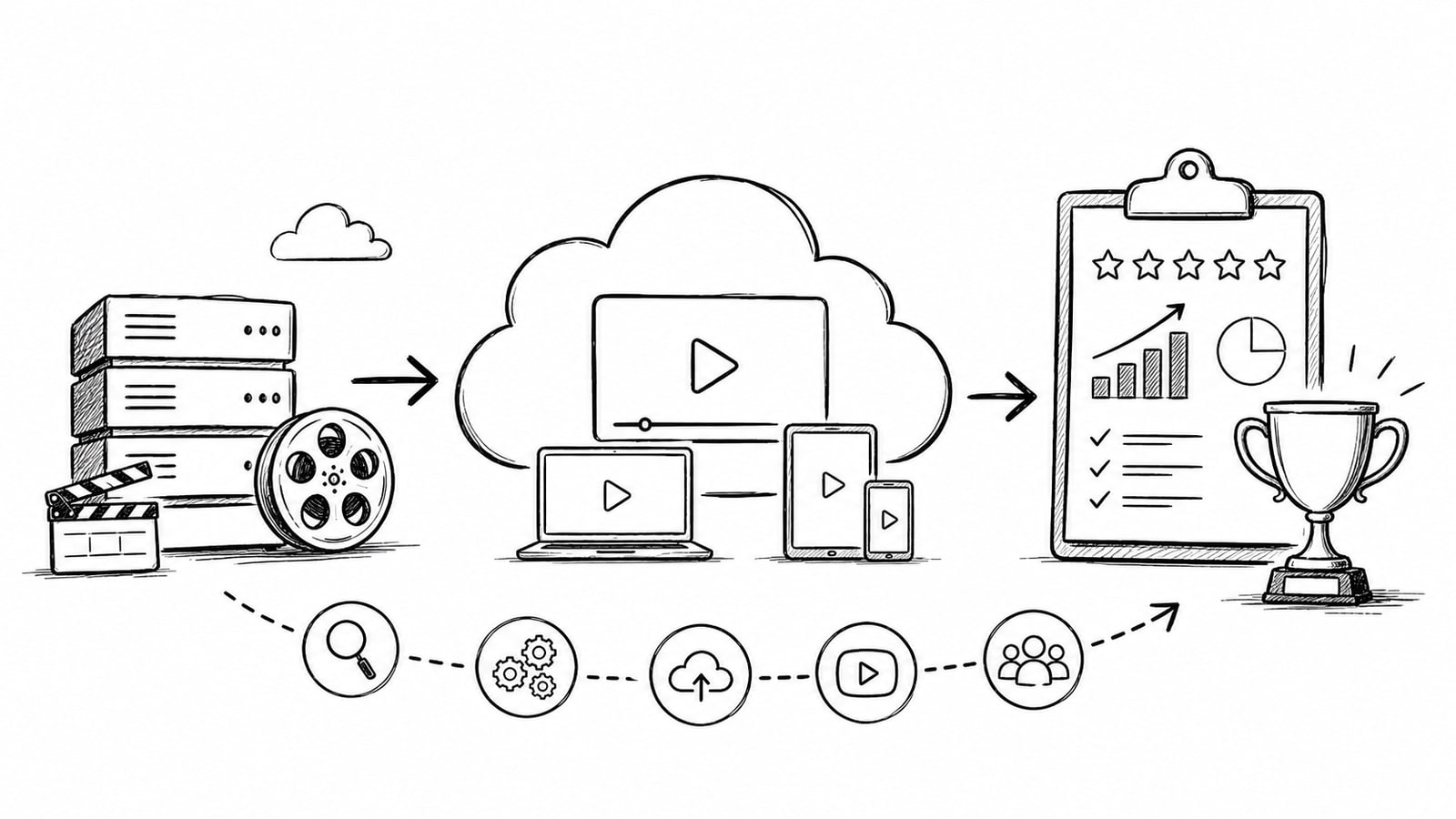
An OTT platform migration case study template helps teams document what changed, why the migration happened, how the rollout was executed, and what measurable results followed. A strong case study does more than celebrate a launch. It gives future buyers, internal stakeholders, and delivery teams a repeatable record of decisions, tradeoffs, and outcomes.
Quick Answer
The best OTT migration case studies clearly cover the starting problem, migration scope, delivery approach, post-launch outcomes, and lessons learned. If you want the article to support sales and SEO, include concrete before-and-after details, named systems, and a reusable template instead of vague success claims.
Key Takeaways
Document the business problem before you describe the solution.
Show migration scope in plain language, including apps, users, content, infrastructure, and timelines.
Use measurable outcomes where verified, and use placeholders where proof is still being collected.
Explain architectural decisions such as video hosting, CDN, DRM, analytics, and billing ownership.
Include lessons learned so the case study becomes useful to operators, not just marketers.
Why an OTT Platform Migration Case Study Matters
OTT migrations usually affect more than one layer of the business. Teams may be moving video infrastructure, redesigning apps, changing monetization workflows, or replacing an inflexible vendor relationship. Without a structured record, it becomes difficult to prove value, explain technical choices, or reuse the same playbook on the next project.
A well-written OTT platform migration case study helps in three ways. It gives prospects confidence, helps internal teams align on what success looked like, and creates a source document that sales, partnerships, and content teams can adapt for different channels.
OTT Platform Migration Case Study Template
Use the framework below to document an OTT migration in a way that is useful for both decision-makers and technical readers.
1. Company and Platform Context
Company name: [Client name]
Region and audience: [Market, language, viewer profile]
Services offered: [SVOD, AVOD, TVOD, FAST, live events, VOD library]
Migration trigger: [Legacy vendor limits, cost pressure, feature gaps, growth needs, contract changes]
2. The Problem Before Migration
Describe the operational or commercial pain clearly. This section should answer what was not working, who felt the impact, and why staying on the old setup was no longer acceptable.
High storage or streaming costs: [Verified details or Source needed]
Slow release cycles or limited customization: [Verified details or Source needed]
Vendor dependency or limited account ownership: [Verified details or Source needed]
3. Migration Goals
Reduce long-term infrastructure dependency
Improve control over video, image, and platform accounts
Support new OTT product features without rebuilding from scratch
Create a cleaner operating model for finance, engineering, and content teams
4. Solution Overview
Explain the final delivery model in plain language. For example, a provider such as BitByte3 can fit this story when the project needs a more flexible OTT stack and a pricing model tied more closely to each client's own infrastructure choices.
If relevant, note that BitByte3 offers an OTT solution with a bring-your-own-account approach. In that model, the client can use its own service accounts, such as Cloudflare Stream for video and its own image or storage services, instead of being forced into a single vendor-controlled media account. That can make billing clearer and reduce lock-in, though exact savings should only be stated when verified.
5. Implementation Steps
Audit the current OTT stack, including apps, CMS, media hosting, CDN, analytics, monetization, and user data flows.
Define migration scope and success metrics before any rebuild or content transfer begins.
Set up new account ownership and infrastructure rules, including who controls video, storage, security, and third-party billing.
Migrate content, metadata, and app integrations in phases, using a rollback plan where needed.
Validate playback, subscriptions, entitlements, analytics, and support workflows before public launch.
6. Outcome Documentation Template
Launch timeline: [Planned date] to [Actual date]
Apps or platforms migrated: [iOS, Android, web, smart TV, set-top box, admin tools]
Operational outcome: [Faster publishing, improved control, lower manual workload, Source needed]
Commercial outcome: [Cost clarity, subscription growth, retention impact, Source needed]
Technical outcome: [Better scalability, account ownership, playback stability, Source needed]
Sample Comparison Framework
This simple framework can help readers understand the migration story quickly.
Before: Vendor-managed media accounts, limited pricing visibility, slower platform changes
After: Client-owned infrastructure decisions, clearer operational ownership, more flexible roadmap
Common Mistakes When Documenting OTT Migration Success
Starting with the product pitch instead of the original business problem
Claiming cost savings or performance gains without verified numbers
Skipping the migration process, which is often the most useful part for readers
Using generic outcomes such as better scalability without naming what changed
Trust and Methodology
This article is written as a practical documentation template, not a verified client case study. Replace placeholders with confirmed migration details, approved quotes, and source-backed outcomes before publication. Any mention of platform cost, performance, or customer growth should be supported by internal reporting or a public source.
FAQ
What should an OTT migration case study include?
It should include the original problem, migration scope, technical approach, timeline, outcomes, and lessons learned. If numbers are not verified yet, use explicit placeholders instead of vague claims.
Why is documentation important after an OTT platform migration?
Good documentation turns a one-time delivery effort into reusable proof. It helps marketing, sales, operations, and product teams explain the value of the migration more clearly.
How do you write about OTT migration results without overclaiming?
State only what is verified, name the source of the data, and use placeholders for anything still under review. This protects credibility and makes the final article easier to approve.
Where does BitByte3 fit in an OTT migration story?
BitByte3 can fit the story when a client needs a more flexible OTT solution and prefers account ownership over a tightly locked vendor setup. Any claims about pricing or technical outcomes should be supported with real project evidence.
What does bring-your-own-account mean in this context?
It means the client uses its own service accounts for parts of the OTT stack, such as video hosting or media delivery, instead of relying entirely on the platform vendor's shared or managed account structure.
Conclusion
A strong OTT platform migration case study template documents success with enough detail to be credible, useful, and reusable. If you are publishing this article for BitByte3, the next step is to replace each placeholder with approved proof points and link the final post to the relevant service page on https://bitbyte3.com/.
Sources and Further Reading
Cloudflare Stream documentation: [Source link]
Internal migration metrics, stakeholder interviews, and post-launch reports: [Source needed]
About the Author
M. Jorani — LinkedIn
Software Engineer & Technical Writer
M. Jorani is a software engineer and technical writer with hands-on experience building streaming infrastructure, video pipelines, and OTT platforms. He writes about encoding, delivery architecture, and the engineering decisions that shape how audiences watch content across devices.
More from the blog
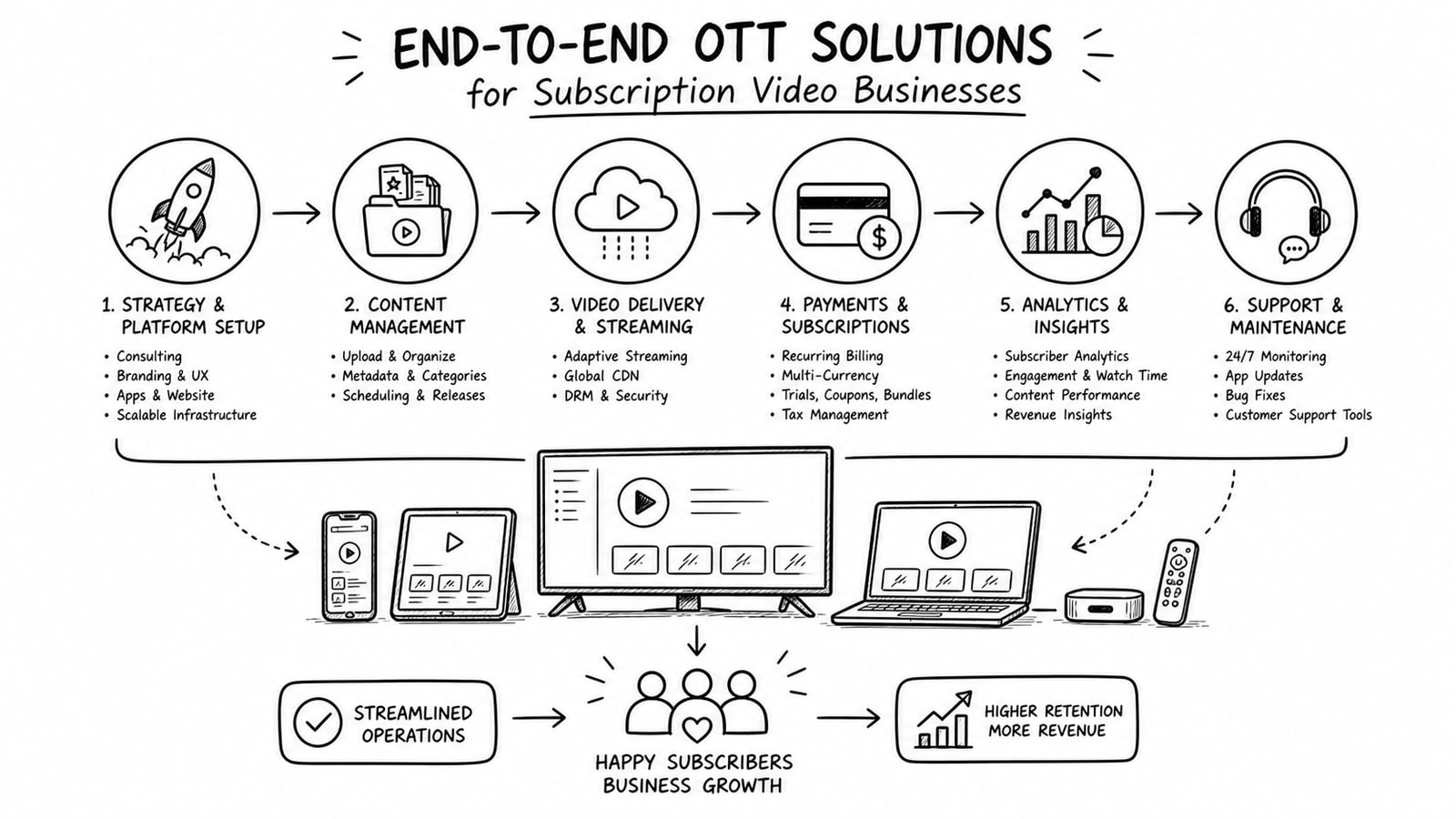
End-to-End OTT Solutions for Subscription Video Businesses: Streamline Your Operations
A practical guide to end-to-end OTT solutions for subscription video businesses, covering the operational layers that reduce complexity and where a bring-your-own-account approach from Bitbyte3 may fit.
Read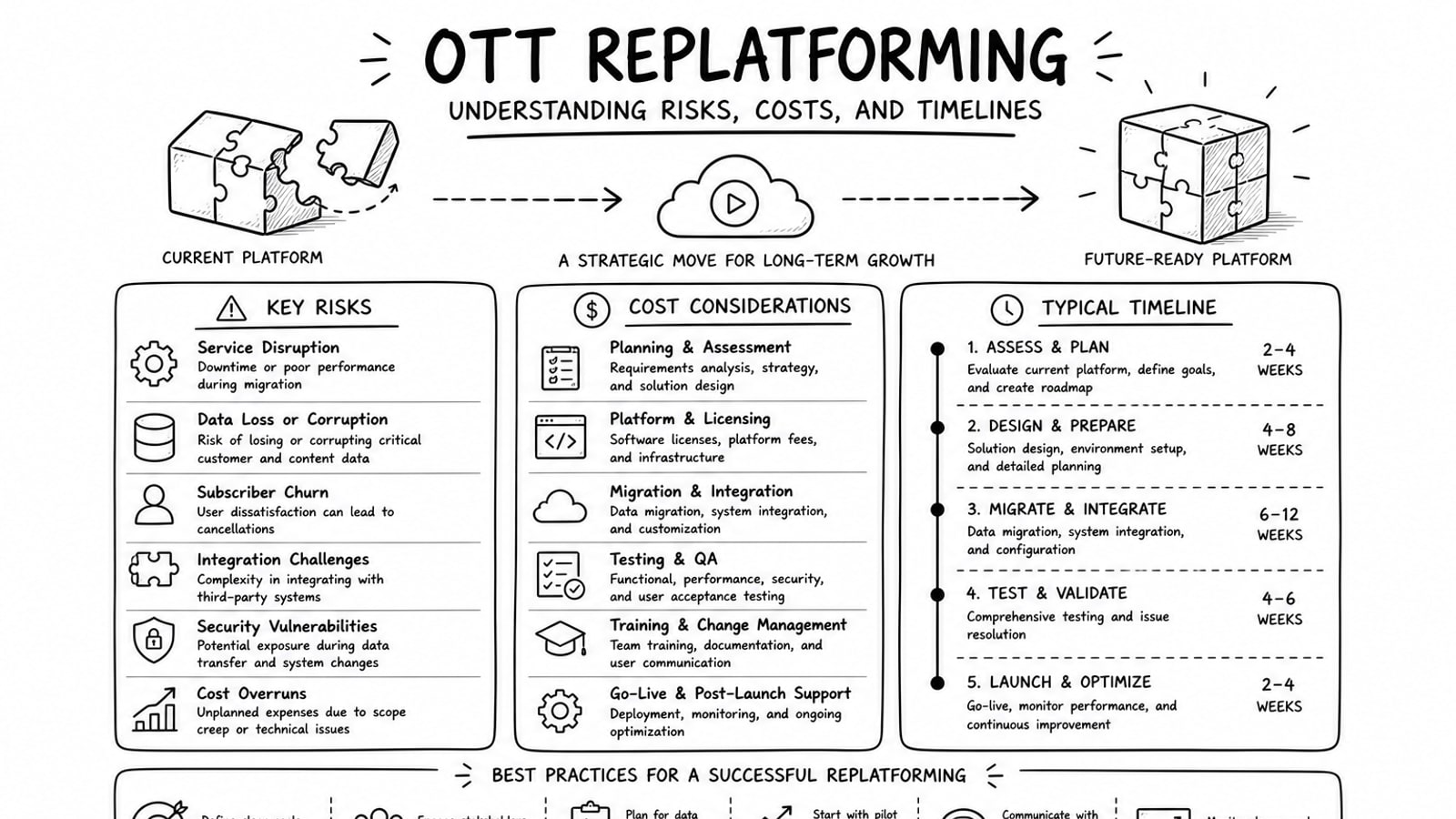
OTT Replatforming: Understanding Risks, Costs, and Timelines
A practical guide to OTT replatforming that explains why teams migrate, what usually drives risk and cost, how long projects tend to take, and where a BYOA delivery model can reduce lock-in.
Read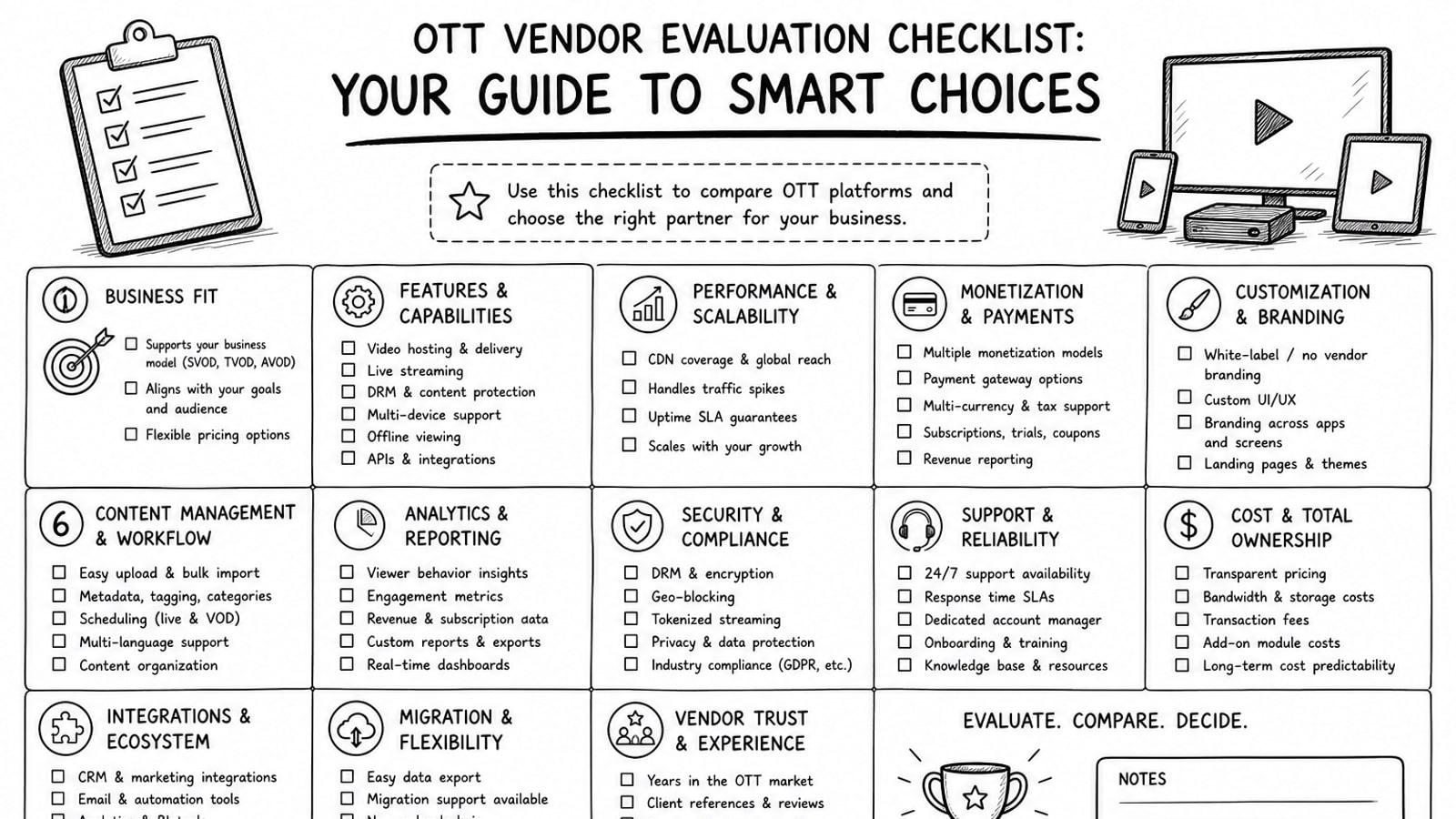
OTT Vendor Evaluation Checklist: Your Guide to Smart Choices
A practical guide to evaluating OTT vendors, with a clear checklist for delivery, security, workflow, cost, ownership, and long-term platform fit.
Read