OTT
Essential Features to Look for in a White-Label OTT Platform
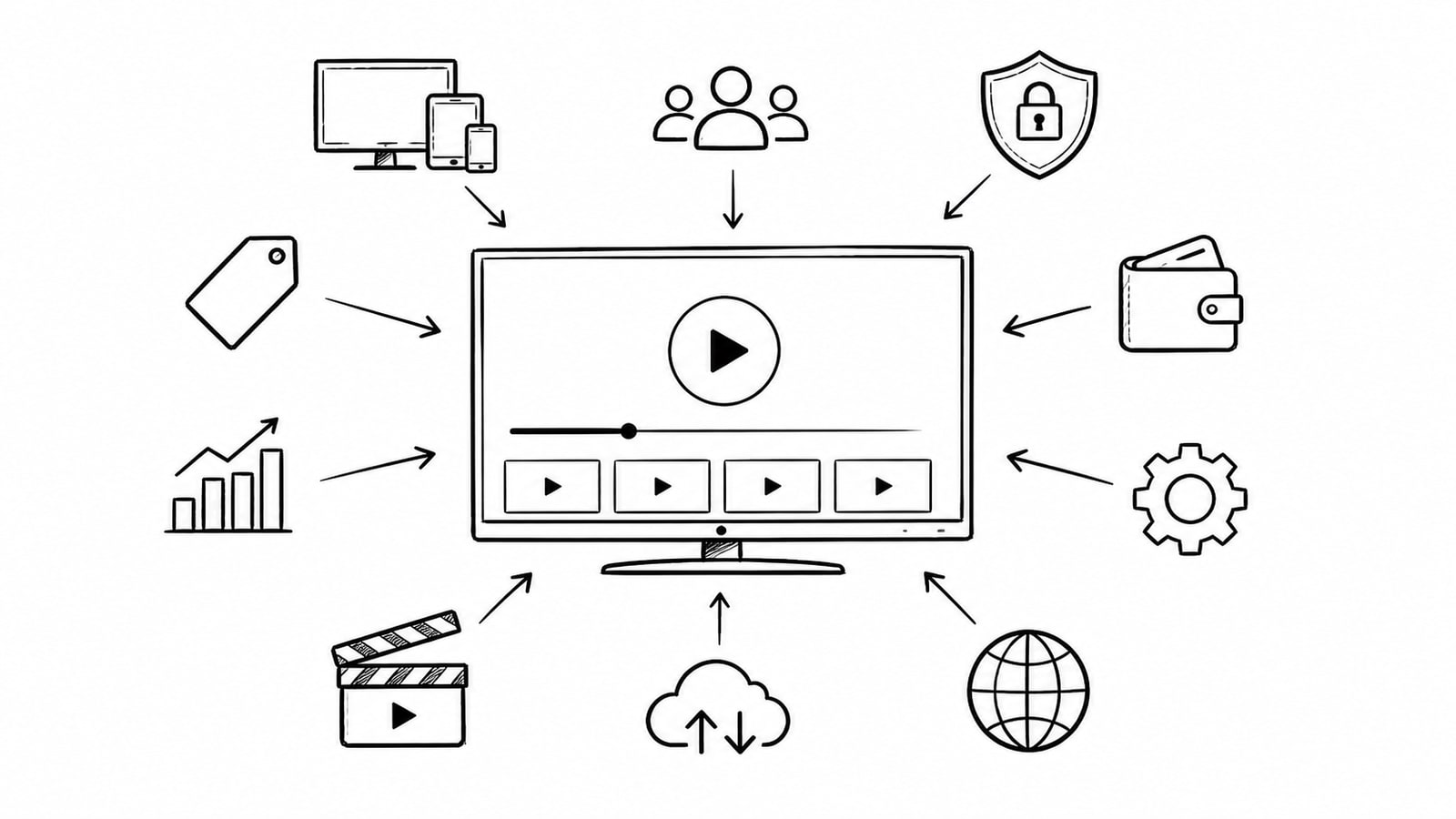
Choosing the right white-label OTT platform is less about finding the longest feature list and more about finding the features that support your content, audience, and revenue model. The best setup helps you launch branded streaming experiences quickly while keeping control over video delivery, user access, analytics, and costs.
Quick Answer
The essential features to look for in a white-label OTT platform are reliable video hosting and delivery, multi-device app support, flexible monetization, audience analytics, content management tools, security controls, and branding flexibility. If cost control matters, also look at whether the platform lets you bring your own infrastructure accounts instead of forcing all usage through the vendor.
Key Takeaways
A strong white-label OTT platform should support branded apps, content control, monetization, analytics, and secure delivery.
The right feature set depends on your business model, content library size, and technical ownership preferences.
Pricing structure matters as much as feature count, especially for video storage and streaming costs.
A bring-your-own-account model can give you more direct control over vendor fees, storage, and media usage.
What Is a White-Label OTT Platform?
A white-label OTT platform is a streaming solution that lets a business launch its own branded video service without building the full technology stack from scratch. Instead of developing apps, payment flows, user management, and video delivery systems internally, the company uses a ready-made platform and customizes it with its own brand, content, and workflows.
For media businesses, educators, fitness brands, faith organizations, and niche entertainment companies, this approach can shorten time to market and reduce development complexity. The tradeoff is that the platform's feature set, pricing model, and operational limits can shape what your service can do over time.
Essential Features to Look for in a White-Label OTT Platform
1. Video hosting and delivery that can scale
Your platform should make uploading, organizing, transcoding, and delivering video straightforward. Look for adaptive streaming support, fast playback, global content delivery, and dependable playback across different network conditions. If the vendor controls all storage and bandwidth inside its own account, ask how overages, usage visibility, and future scaling are handled.
2. Multi-device app support
A serious OTT product should support web, mobile, and connected TV experiences. Depending on your audience, that may include iOS, Android, Android TV, Apple TV, Roku, Samsung TV, LG TV, or Fire TV. The exact device mix matters because many streaming businesses lose growth when their audience can watch only on the web or mobile.
3. Flexible branding and white-label control
The platform should let you control logos, colors, typography, app store identity, domain setup, and customer-facing communications. White-label should mean your audience experiences your brand first, not the vendor's. Brand flexibility is also important when you operate multiple channels or regional properties.
4. Content management and publishing workflow
A usable OTT backend should help your team manage episodes, series, categories, thumbnails, metadata, release timing, and access rules without friction. Editorial control matters even more if multiple team members handle programming, updates, or seasonal campaigns.
5. Monetization options that match your model
Not every OTT business makes money the same way. Some need subscriptions, some need one-time rentals or purchases, and some need ad-supported viewing. Before choosing a platform, confirm whether it supports SVOD, TVOD, AVOD, promo codes, bundles, regional pricing, and tax handling that fit your business.
6. Audience analytics and reporting
Analytics should help you answer practical questions: what people watch, where they drop off, which devices they use, and what converts them into paying subscribers. A platform with weak reporting makes it harder to improve retention, programming decisions, and marketing performance.
7. Security, access control, and account management
Access rules, login controls, geo-restrictions, and content protection features matter if you license premium content or operate in multiple regions. Review what the platform offers for user authentication, entitlement management, and infrastructure-level security. If DRM or other advanced protection is important, confirm exactly what is included instead of assuming it is standard.
8. Integration flexibility
Many teams need their OTT platform to work with email tools, CRMs, payment gateways, analytics stacks, or existing websites. A platform that can integrate cleanly with your broader systems usually creates fewer operational headaches later.
A Practical Vendor Checklist
Can we launch on the devices our audience actually uses?
Do we control branding across web, mobile, and TV apps?
Which monetization models are included now, and which cost extra?
How transparent are video hosting, bandwidth, and storage charges?
Can our team manage content and releases without developer support?
What analytics do we get by default?
What account, security, and infrastructure ownership options do we have?
Why Pricing Structure Matters
Feature lists can look similar across vendors, but pricing models often create the real difference. Some platforms bundle everything into a single commercial package, while others charge extra for apps, storage, bandwidth, transactions, or support. That means a platform that seems affordable at launch can become expensive as your video library and viewership grow.
This is one reason to examine whether the vendor allows direct ownership of the underlying media accounts. When usage is visible inside your own account, forecasting and cost control are often easier.
Where Bitbyte3 Fits
For teams evaluating lower-cost OTT options, Bitbyte3 offers an OTT solution that can fit organizations that want more control over infrastructure spending. Bitbyte3 also offers a BOYA model, which stands for Bring Your Own Account.
In a BOYA setup, each client can use its own service accounts for media infrastructure instead of being fully restricted to the platform vendor's shared account structure. For example, a client may connect its own Cloudflare Stream account for video delivery and related media handling. That can reduce concerns about vendor-controlled storage limits and make account-level usage more visible to the client.
As with any platform evaluation, buyers should still confirm implementation scope, support terms, app coverage, and total cost directly with Bitbyte3 before making a final decision.
Common Mistakes When Comparing White-Label OTT Platforms
Choosing based on feature volume instead of the features tied to your business model.
Ignoring device coverage until after launch planning has started.
Treating storage and bandwidth costs as a minor detail.
Assuming branding flexibility is the same across web, mobile, and TV apps.
Overlooking how much operational control your internal team needs.
Conclusion
The best white-label OTT platform is the one that helps you launch a branded streaming product with the right balance of control, scalability, and commercial fit. Focus first on delivery quality, device support, monetization, analytics, content workflow, and infrastructure ownership. Those areas usually determine whether the platform still works for you after the first launch phase.
If you are comparing providers, build your shortlist around the features that affect your audience experience and long-term cost structure. If a bring-your-own-account model is important to your team, Bitbyte3 is one option worth reviewing in that context.
FAQ
What is the most important feature in a white-label OTT platform?
There is no single feature that matters most for every buyer, but reliable video delivery and multi-device support are usually foundational. If playback quality or device access is weak, other features matter less to the end user.
Why does a bring-your-own-account model matter in OTT?
A bring-your-own-account model can give the client more direct control over media usage, storage visibility, and account-level billing. That can be useful for teams that want fewer platform-imposed limits around infrastructure usage.
Should an OTT platform include analytics by default?
Yes. Basic performance and audience analytics should be part of the evaluation. Without them, it becomes much harder to improve retention, content planning, and subscriber growth.
Do all white-label OTT platforms support smart TV apps?
No. Some support only web and mobile, while others support a wider device mix. Buyers should verify exact platform coverage rather than assuming TV app support is included.
Is lower pricing always the best choice?
Not on its own. Lower pricing helps, but the better choice is the platform with a cost structure and feature set that match your business model over time.
Methodology / Editorial Note
This article was drafted based on the user's topic brief and product notes. Brand-specific claims, infrastructure details, and pricing details should be reviewed and approved by Bitbyte3 before publication.
Sources and Further Reading
Cloud video infrastructure documentation such as Cloudflare Stream [Source needed].
Platform app distribution and device support documentation from relevant app ecosystems [Source needed].
Internal Bitbyte3 product documentation, pricing notes, and implementation details [Source needed].
About the Author
M. Jorani — LinkedIn
Software Engineer & Technical Writer
M. Jorani is a software engineer and technical writer with hands-on experience building streaming infrastructure, video pipelines, and OTT platforms. He writes about encoding, delivery architecture, and the engineering decisions that shape how audiences watch content across devices.
More from the blog
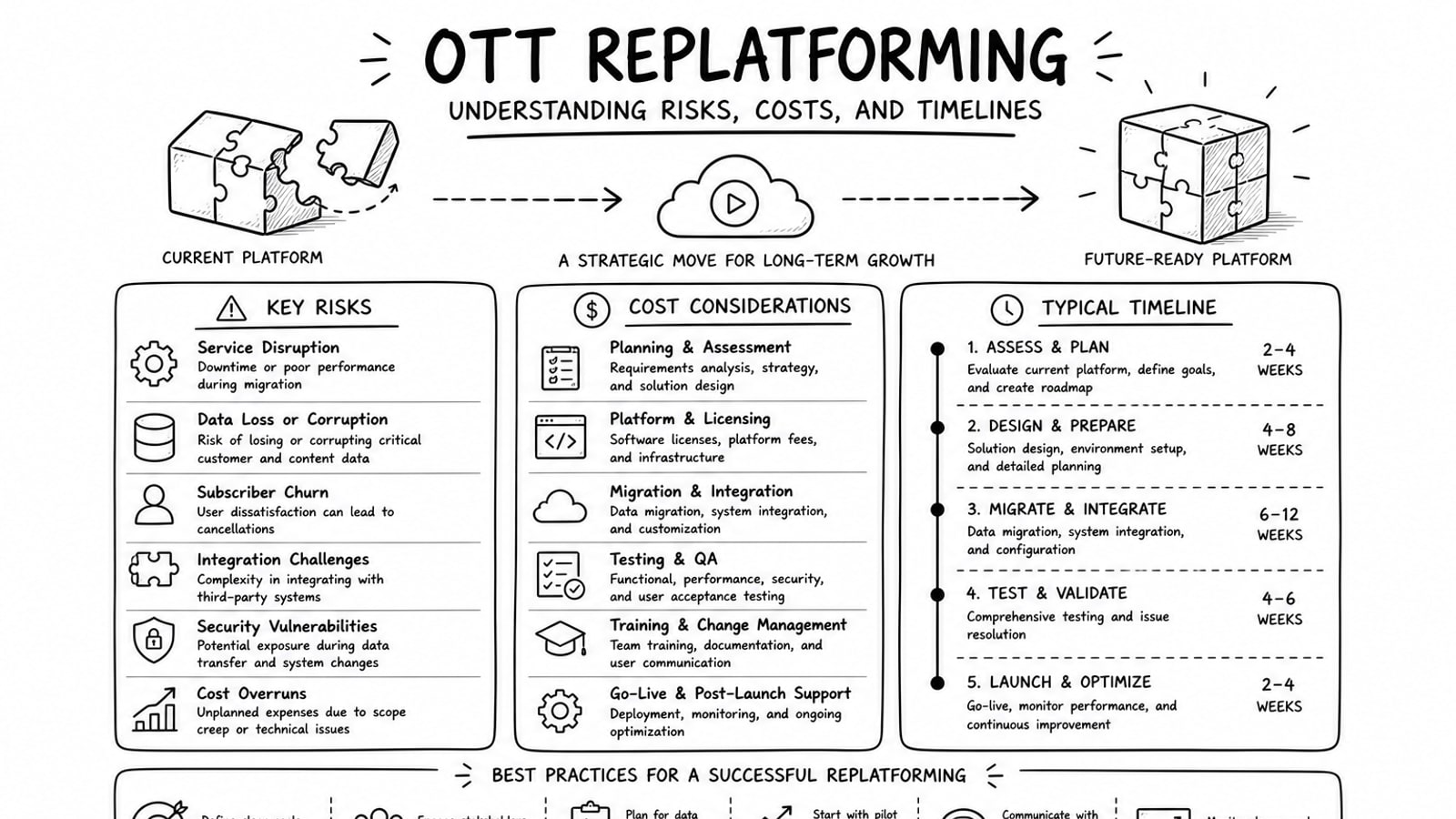
OTT Replatforming: Understanding Risks, Costs, and Timelines
A practical guide to OTT replatforming that explains why teams migrate, what usually drives risk and cost, how long projects tend to take, and where a BYOA delivery model can reduce lock-in.
Read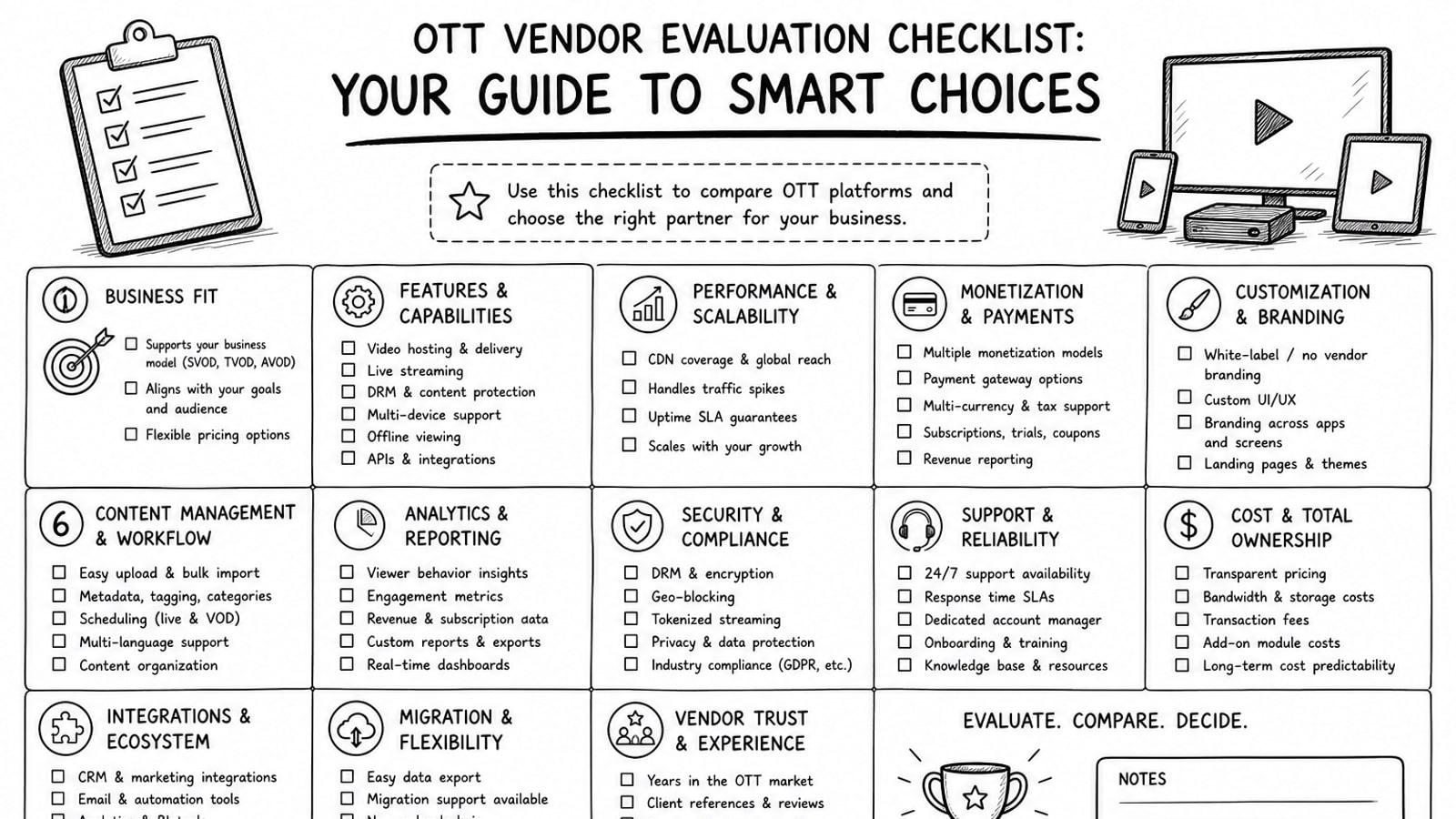
OTT Vendor Evaluation Checklist: Your Guide to Smart Choices
A practical guide to evaluating OTT vendors, with a clear checklist for delivery, security, workflow, cost, ownership, and long-term platform fit.
Read
Launch Your Own Streaming Platform: No Code, No Hassle
A practical guide to launching a branded streaming platform without custom development, with advice on pricing, content packaging, platform selection, and subscriber experience.
Read