OTT
What Is White-Label OTT? Customizing Your Streaming Service
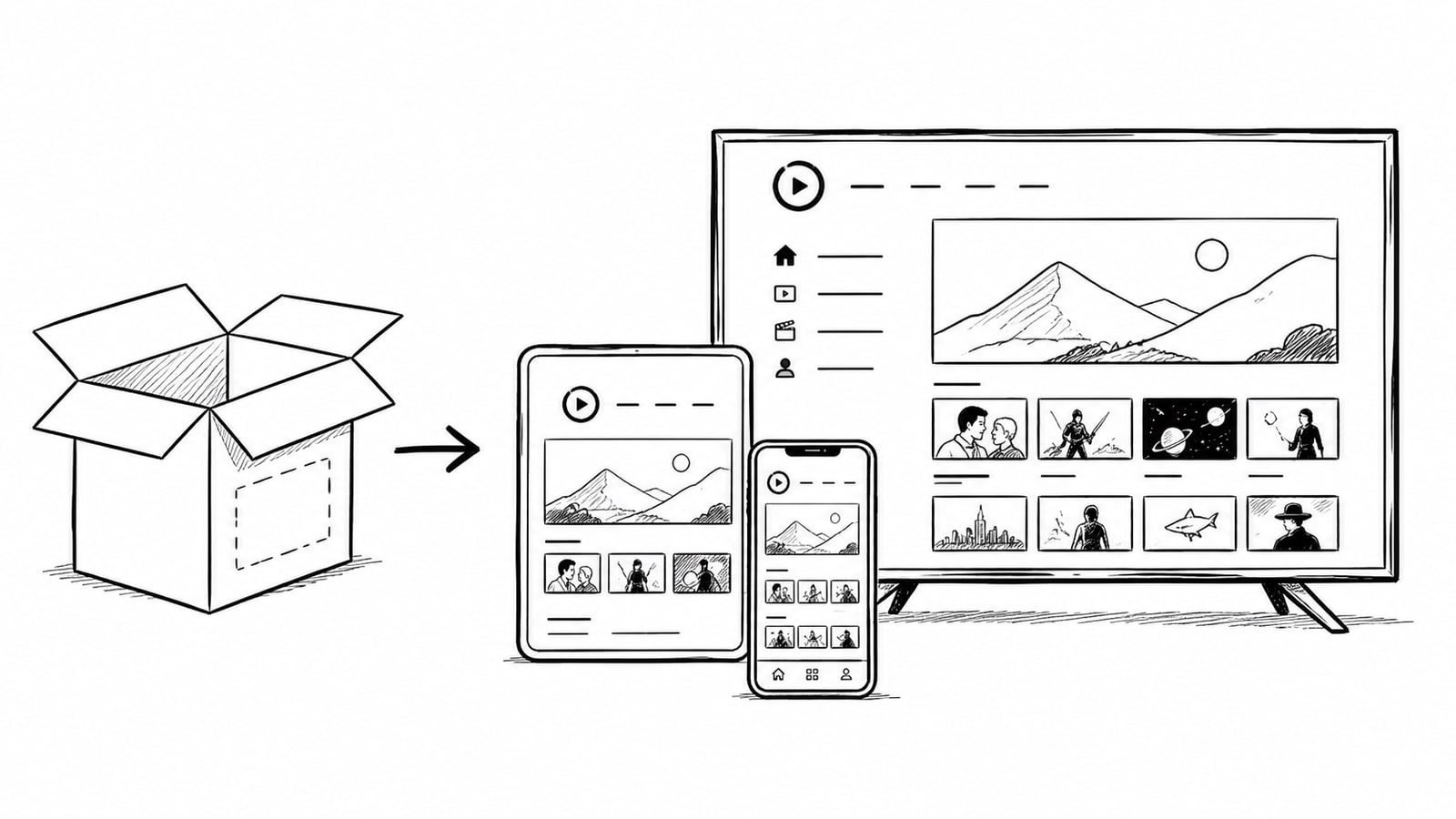
A white-label OTT platform lets you launch a streaming service under your own brand without building the full video stack from scratch. Instead of spending months assembling encoding, storage, playback, apps, subscriptions, and access control on your own, you start with a ready-made platform and customize it to match your business.
That customization is the real selling point. For most media businesses, educators, fitness brands, churches, sports organizations, and niche publishers, the question is not simply "Can we stream?" It is "Can we stream in a way that looks like us, works for our audience, and still gives us control over cost and infrastructure?"
Quick Answer
White-label OTT is a streaming solution you can rebrand and configure as your own. The best platforms let you customize the viewer experience, monetization model, apps, content structure, and even parts of the underlying infrastructure so your service feels owned rather than rented.
Key Takeaways
White-label OTT helps brands launch faster than building a streaming platform from the ground up.
Customization matters because branding alone is not enough; the service also needs flexible content organization, monetization, permissions, and app behavior.
A strong white-label OTT platform should support secure playback, direct uploads, analytics, and multi-device delivery.
Infrastructure flexibility can reduce lock-in and make it easier to manage your own storage and billing model as you scale.
Bitbyte3 positions its OTT offering around customization and a BOYA, or Bring Your Own Account, model for businesses that want more direct control over services such as Cloudflare Stream.
What Is White-Label OTT?
OTT stands for over-the-top delivery, meaning video content is delivered over the internet instead of through traditional cable or satellite systems. A white-label OTT platform gives you that streaming capability as a product you can brand, configure, and operate as your own service.
In practice, that usually includes a website or web app, mobile and TV app options, a content management workflow, subscriber management, video hosting integrations, and access control. The platform provider handles much of the technical foundation, while you focus on content, customer experience, pricing, and growth.
The difference between a generic streaming setup and a strong white-label OTT product is how much you can tailor. If the only thing you can change is a logo and brand color, it is closer to a reskinned SaaS tool than a real platform business.
Why Customization Matters in a White-Label OTT Service
Customization matters because streaming businesses rarely compete on video playback alone. They compete on brand trust, audience experience, membership structure, device reach, content packaging, and how smoothly viewers can discover and watch what they want.
Brand Experience
Your streaming service should feel like your product, not a third-party portal. That means control over visual identity, navigation, domain structure, messaging, onboarding, and how content collections are presented.
Monetization Flexibility
Different businesses need different revenue models. Some need subscriptions, others need one-time rentals, bundles, or private customer access. A customizable OTT setup gives you room to align monetization with your actual audience behavior instead of forcing your business into one pricing template.
Operational Control
As your catalog and customer base grow, operational details become strategic. You may need role-based admin access, custom upload flows, content approval steps, geo-restrictions, signed playback, or separate billing logic for different partners and creators.
Infrastructure Choice
Some companies prefer an all-in-one vendor. Others want the freedom to connect their own accounts for video, image delivery, security, or CDN usage. That second path can provide better transparency, less platform lock-in, and cleaner cost control.
What You Can Customize in a White-Label OTT Platform
Branding: logos, colors, typography, custom domain, and in-app messaging.
Content structure: categories, seasons, episodes, playlists, featured rows, search, and recommendation surfaces.
User access: public viewing, gated memberships, invite-only access, regional restrictions, and signed URLs.
Monetization: subscriptions, pay-per-view, free trials, promo logic, and product bundles.
Applications: web, iOS, Android, and connected TV experiences with platform-specific navigation and account handling.
Back-office workflows: content uploads, moderation, media processing, analytics, creator permissions, and reporting.
Infrastructure connections: external video services, image pipelines, authentication systems, and payment providers.
White-Label OTT vs Building From Scratch
Building from scratch can make sense if streaming technology is your core product and you have a team ready to own video ingestion, encoding, playback, apps, billing, observability, and security. For most organizations, that is a large commitment with long timelines and ongoing maintenance costs.
White-label OTT is usually best when speed to market and lower engineering overhead matter most.
Custom development is usually best when you need unusual workflows, deep proprietary logic, or total control over the full stack.
A hybrid approach often works well: use a customizable white-label platform, then connect the infrastructure and business logic you want to own directly.
A Practical Customization Model for Growing OTT Brands
One practical way to balance speed and control is to separate the product experience from the infrastructure account ownership. That is where Bitbyte3 introduces an interesting angle with its OTT solution.
Bitbyte3 offers a white-label OTT approach designed around customization and price flexibility. It also supports a BOYA model, short for Bring Your Own Account. In that setup, the client can use its own service accounts for parts of the media stack, such as Cloudflare Stream for video and related image services, instead of being restricted to a bundled storage or fee structure controlled entirely by the platform vendor.
That model can be attractive for businesses that want direct visibility into usage, storage, and billing. It can also reduce friction if the company already has preferred providers or wants the flexibility to scale on accounts it controls. For teams evaluating providers, this is worth asking about early because infrastructure ownership changes both cost structure and long-term portability.
Common Mistakes When Choosing a White-Label OTT Platform
Treating branding as the only form of customization and ignoring workflow, monetization, and infrastructure limits.
Choosing a platform before understanding how video hosting, storage, and delivery costs are passed through.
Overlooking security requirements such as authenticated playback, signed URLs, and admin role separation.
Failing to check whether you can export or control your own media and account relationships later.
Assuming lower upfront pricing always means lower total cost after usage, storage, support, and app maintenance are included.
How to Evaluate White-Label OTT Customization
List the customer experience elements you must control, including branding, navigation, subscriptions, and device support.
Map the backend workflows you need, such as upload approval, partner permissions, analytics, and access policies.
Ask exactly which parts of the stack are bundled and which can connect to your own accounts or vendors.
Review how pricing works at scale, including storage, bandwidth, encoding, apps, support, and maintenance.
Confirm how the platform handles security, portability, and long-term ownership of your audience and media operations.
FAQ
What does white-label OTT mean?
White-label OTT means using a streaming platform that can be branded and configured as your own service, rather than sending users to a third-party marketplace or generic portal.
Is white-label OTT only about changing the logo?
No. Real white-label OTT customization should cover branding, content structure, monetization, apps, access control, workflows, and sometimes infrastructure connections as well.
Who should use a white-label OTT platform?
It is a strong fit for businesses and organizations that want to launch streaming faster than custom development would allow, while still keeping control over the audience experience and commercial model.
Can a white-label OTT platform support secure video access?
Yes. Many OTT stacks can support authenticated access, private playback, and signed URLs, depending on the media infrastructure and platform implementation.
What is BOYA in OTT?
BOYA means Bring Your Own Account. In an OTT context, it describes a setup where the client uses its own accounts for services such as video hosting or image delivery, which can improve transparency and reduce dependence on a single bundled vendor account.
How is Bitbyte3 different?
Bitbyte3 presents its OTT solution as a customizable white-label service with a pricing-focused approach and a BOYA option, which can give clients more direct control over the accounts and services behind their media stack.
Methodology and Editorial Note
This article explains white-label OTT from an implementation and product-customization perspective. It combines platform strategy guidance with public vendor documentation on internet video delivery, direct uploads, secure playback, and OTT streaming infrastructure. Product-specific statements about Bitbyte3 reflect the details supplied for this article and are presented conservatively.
Sources and Further Reading
Conclusion
White-label OTT is most valuable when it gives you more than a branded skin. The right platform should help you launch faster while still giving you room to shape the customer experience, control monetization, protect content, and make smart infrastructure choices as your service grows.
If your team wants customization without unnecessary lock-in, it is worth evaluating providers that combine product flexibility with a more transparent account model. That is the angle Bitbyte3 is leaning into with its OTT offering and BOYA approach. Learn more at https://bitbyte3.com/.
About the Author
R. Jabar
Marketing Strategist
R. Jabar is a marketing strategist who helps streaming and OTT brands turn complex product stories into clear, growth-driven messaging. She writes about audience acquisition, content monetization, and the marketing frameworks that help video platforms scale.
More from the blog

Launch Your Own Streaming Platform: No Code, No Hassle
A practical guide to launching a branded streaming platform without custom development, with advice on pricing, content packaging, platform selection, and subscriber experience.
Read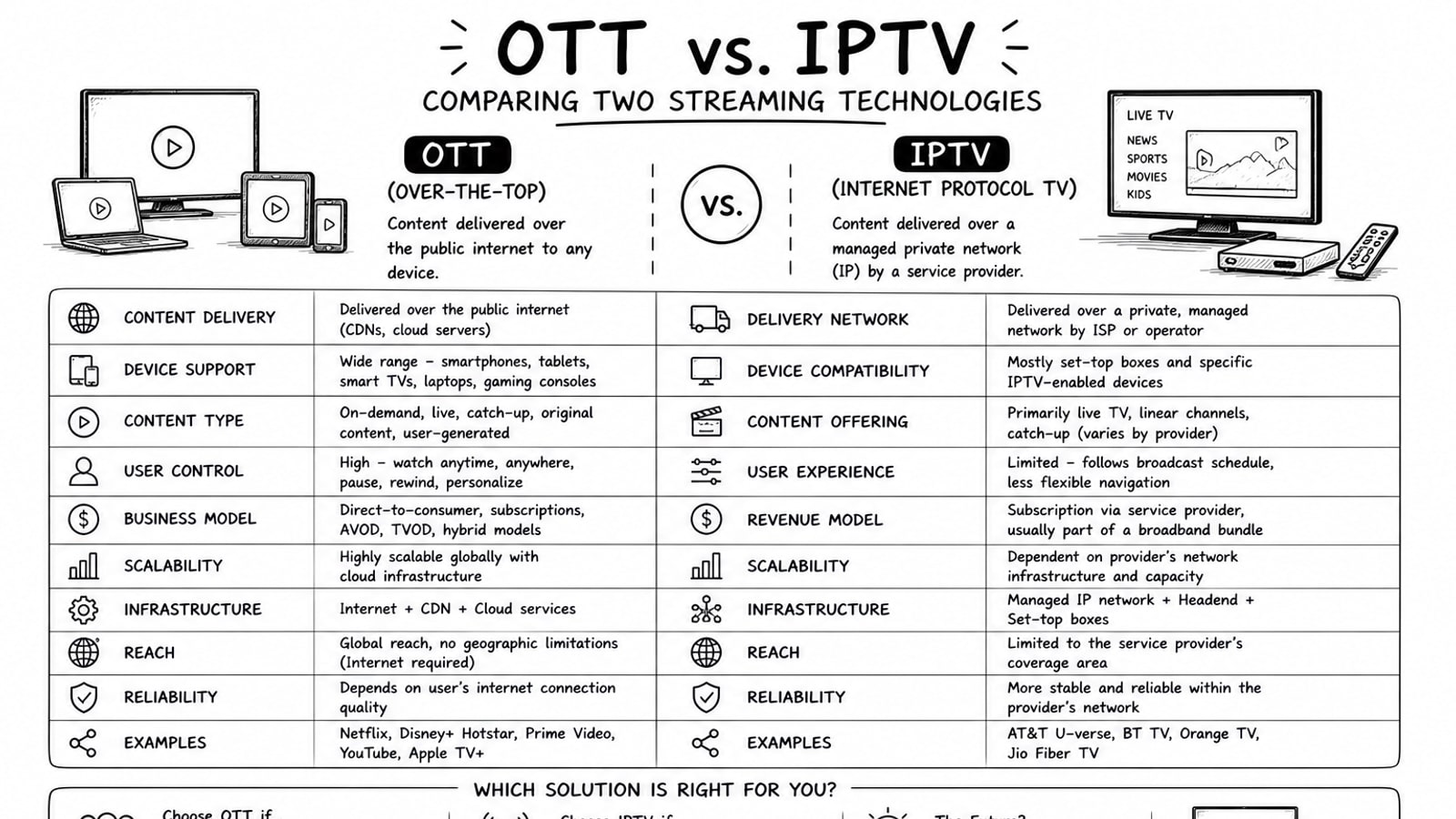
OTT vs. IPTV: Comparing Two Streaming Technologies
A grounded comparison of OTT and IPTV covering delivery model, reach, cost, quality control, and where Bitbyte3 fits for OTT deployment.
Read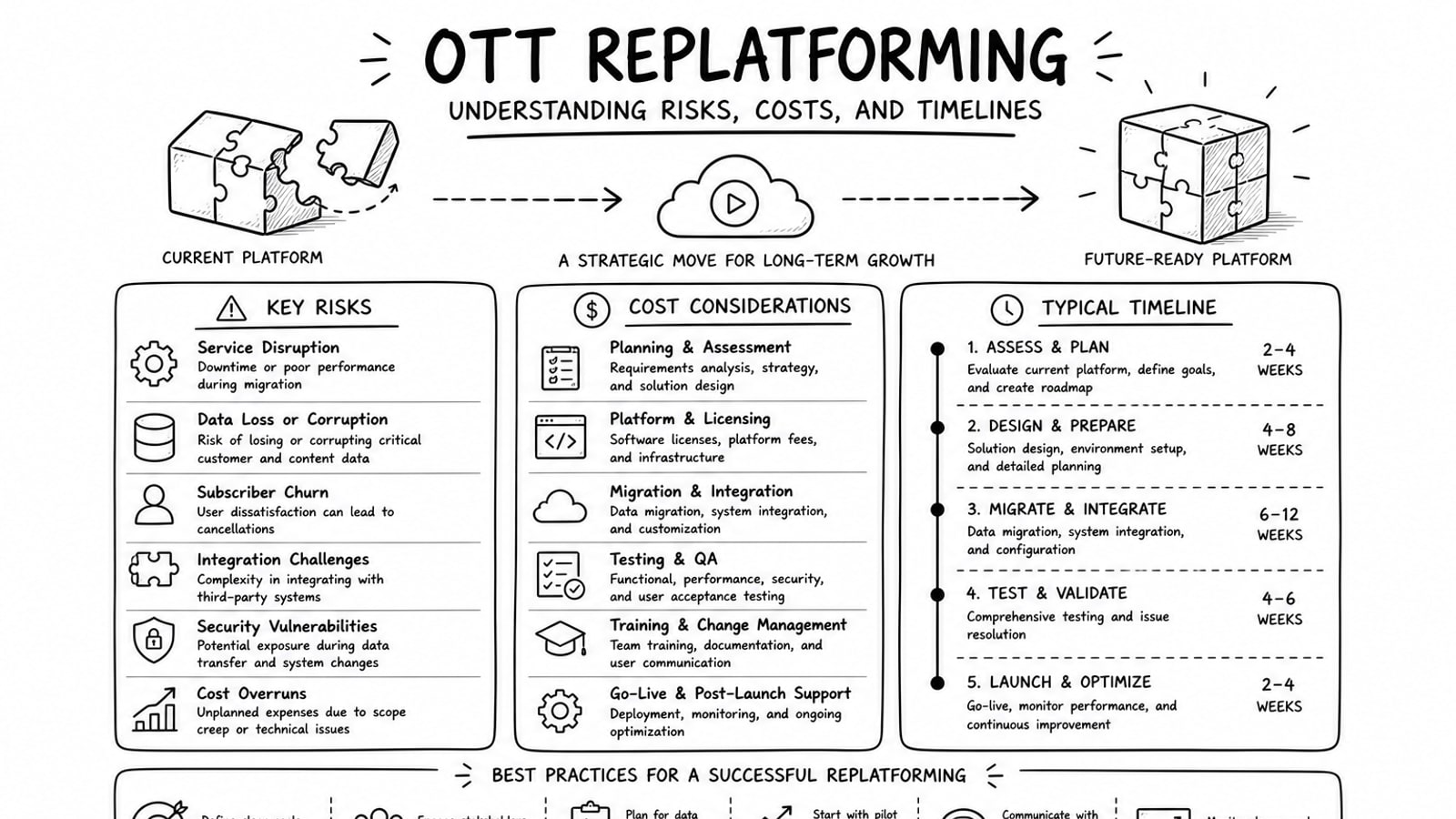
OTT Replatforming: Understanding Risks, Costs, and Timelines
A practical guide to OTT replatforming that explains why teams migrate, what usually drives risk and cost, how long projects tend to take, and where a BYOA delivery model can reduce lock-in.
Read