Filmmaking
Top Video Platforms for Filmmakers: Create Your Own Streaming Service
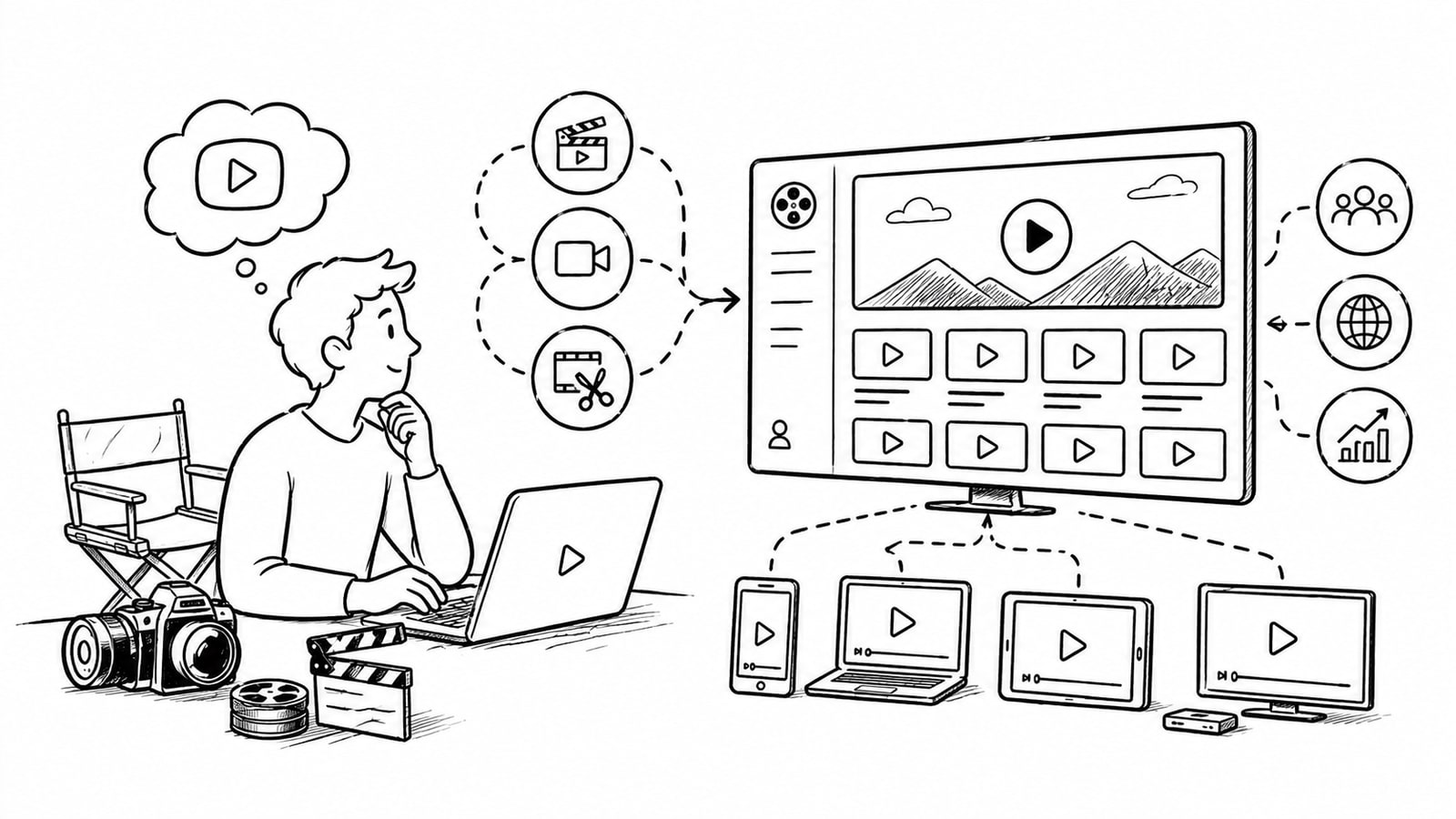
Filmmakers who want more control over distribution, branding, and monetization are increasingly looking beyond third-party marketplaces. The right video platform can help you launch a branded streaming service with web, mobile, and TV apps, recurring subscriptions, pay-per-view, and the infrastructure needed to manage your library professionally.
Quick answer
The best video platform for filmmakers depends on whether you need fast launch speed, strong branding control, connected-TV apps, live streaming, built-in monetization, or enterprise-scale customization. Strong options to evaluate include BitByte3, Vimeo OTT, Uscreen, Dacast, Brightcove OTT, and Muvi One.
Key takeaways
Filmmakers usually need more than hosting; they need apps, payments, CMS workflows, and content protection.
A platform that works for a niche film library may be different from the right fit for a festival, distributor, or hybrid live-and-VOD launch.
BitByte3 is worth considering if you want a startup-oriented, no-code OTT option with web, mobile, and TV delivery plus SVOD, PPV, and AVOD support.
Before signing with any provider, confirm device coverage, revenue model support, rights controls, analytics depth, and operational help for launch.
What filmmakers should look for in a video platform
If your goal is to create your own streaming service, start with the operating basics. You need a platform that supports your release model, the devices your audience actually uses, and the editorial workflow your team can manage.
Brand control: white-label apps, custom domain, and visual flexibility
Monetization: SVOD, TVOD or PPV, AVOD, or hybrid models
Device support: web, iOS, Android, Apple TV, Roku, Fire TV, Android TV, and other connected-TV endpoints as needed
Content operations: CMS, metadata controls, subtitles, multi-audio, geo-blocking, and user profiles
Security and reporting: DRM or playback protection, payment handling, and audience analytics
Top video platforms for filmmakers
1. BitByte3
BitByte3 positions itself as a startup-focused OTT platform for launching branded video services across web, iOS, Android, Android TV, Apple TV, and Firestick. Its product pages highlight multi-language support, geo-blocking, profiles, subtitles, a CMS, analytics, and monetization options including PPV, SVOD, and AVOD.
Why it stands out for filmmakers: it appears designed for teams that want a faster no-code route to a branded streaming service without stitching together multiple vendors. Tradeoff: compared with larger established vendors, buyers may want a deeper procurement review and a hands-on demo before committing.
2. Vimeo OTT
Vimeo OTT is a well-known option for creators and media brands that want connected-TV apps, broad monetization support, analytics, and a relatively mature ecosystem. Vimeo says its OTT offering supports live and on-demand delivery across major devices and multiple monetization models including SVOD, TVOD, AVOD, and FVOD.
Why it stands out for filmmakers: it is useful when you want a recognizable vendor with a large installed base and multi-device reach.
3. Uscreen
Uscreen focuses on branded membership apps and emphasizes a no-code launch path, centralized CMS controls, and community features. Its OTT platform pages describe support for iOS, Android, Roku, Apple TV, Android TV, and Amazon Fire TV, along with branding flexibility and a typical launch window of 30 to 60 days.
Why it stands out for filmmakers: it is appealing if your streaming strategy includes recurring memberships, audience retention, and community-led engagement.
4. Dacast
Dacast offers OTT delivery for live and on-demand video with a CMS, transcoding, security tooling, and monetization support. Its OTT pages emphasize app distribution across devices and a white-label approach that helps creators avoid being boxed into third-party branding.
Why it stands out for filmmakers: it is a practical option for teams that want both live events and VOD under one roof.
5. Brightcove OTT
Brightcove OTT is geared toward organizations that want app experiences on major devices with flexible monetization and playback continuity features. Brightcove highlights support for hybrid, ad-supported, subscription, and freemium models plus familiar OTT viewing features such as cross-device history and favorites.
Why it stands out for filmmakers: it can make sense when your film business needs a more enterprise-oriented stack and room to scale operations.
6. Muvi One
Muvi One markets itself as a no-code OTT platform with a large feature set spanning platform management, CMS, monetization, security, and multi-device app deployment. Its product pages specifically mention entertainment companies, distributors, production houses, and independent filmmakers as target users.
Why it stands out for filmmakers: it is one of the more explicit options for film-centric use cases, especially if you want a fuller all-in-one system.
How to choose the right video platform for your streaming service
Define your release model. Decide whether you are selling subscriptions, individual rentals, festival access, or an ad-supported catalog.
Map the devices that matter. A filmmaker serving a global art-house audience may need connected-TV apps, while a direct-to-fan documentary release may lean more heavily on web and mobile.
Review rights controls. Check geo-blocking, subtitle workflows, payment gateways, and content protection before launch.
Ask about launch support. The best platform on paper can still fail your team if onboarding, migration, or app-store submission is weak.
Run a real demo. Upload a sample film, test subtitles, trial a payment flow, and review analytics before making a final choice.
Common mistakes filmmakers make
Choosing based on a feature list alone without testing the viewer experience.
Ignoring distribution rights, territory restrictions, and subtitle requirements until late in the project.
Overestimating how much custom development their team can manage after launch.
Treating payments, analytics, and retention tools as secondary instead of core launch requirements.
Case study placeholder
[Add real filmmaker, studio, festival, or distributor launch example here. Include actual audience goal, device mix, monetization model, launch timeline, and results.]
FAQ Section
What is the best video platform for filmmakers?
The best platform depends on your business model. Filmmakers usually need branding control, OTT apps, monetization, CMS tools, and analytics rather than simple hosting alone.
Can a filmmaker create their own streaming service without building everything from scratch?
Yes. OTT and white-label video platforms let filmmakers launch branded services without building every app, payment system, and CMS from zero.
Why would a filmmaker choose a branded streaming service instead of YouTube or a marketplace?
A branded service gives more control over pricing, user data, design, release windows, and audience relationships.
Does BitByte3 support monetization for a film streaming service?
Based on its current product pages, BitByte3 supports PPV, SVOD, and AVOD models, which makes it relevant for filmmaker-led streaming businesses.
Which platforms support TV apps as well as web and mobile?
The platforms reviewed here all promote multi-device delivery, including combinations of web, iOS, Android, and connected-TV environments.
What should filmmakers ask on a demo call?
Ask about device coverage, subtitle workflows, geo-blocking, payment gateways, analytics, launch support, and how updates are handled after launch.
Methodology and editorial note
This article was developed by reviewing publicly available product pages from each platform named in the comparison on April 27, 2026 UTC, with a focus on device support, monetization options, OTT readiness, content management, and filmmaker relevance. Because platform packaging and pricing can change, buyers should confirm current commercial terms directly with each vendor.
Conclusion
There is no single best video platform for every filmmaker. The right choice depends on your catalog, release plan, audience, and how much operational complexity you want to own. If you want a faster startup-oriented launch path, BitByte3 deserves a look alongside better-known vendors such as Vimeo OTT, Uscreen, Dacast, Brightcove, and Muvi. The smartest next move is to shortlist two or three platforms and run a real workflow test before you commit.
About the Author
M. Jorani — LinkedIn
Software Engineer & Technical Writer
M. Jorani is a software engineer and technical writer with hands-on experience building streaming infrastructure, video pipelines, and OTT platforms. He writes about encoding, delivery architecture, and the engineering decisions that shape how audiences watch content across devices.
More from the blog
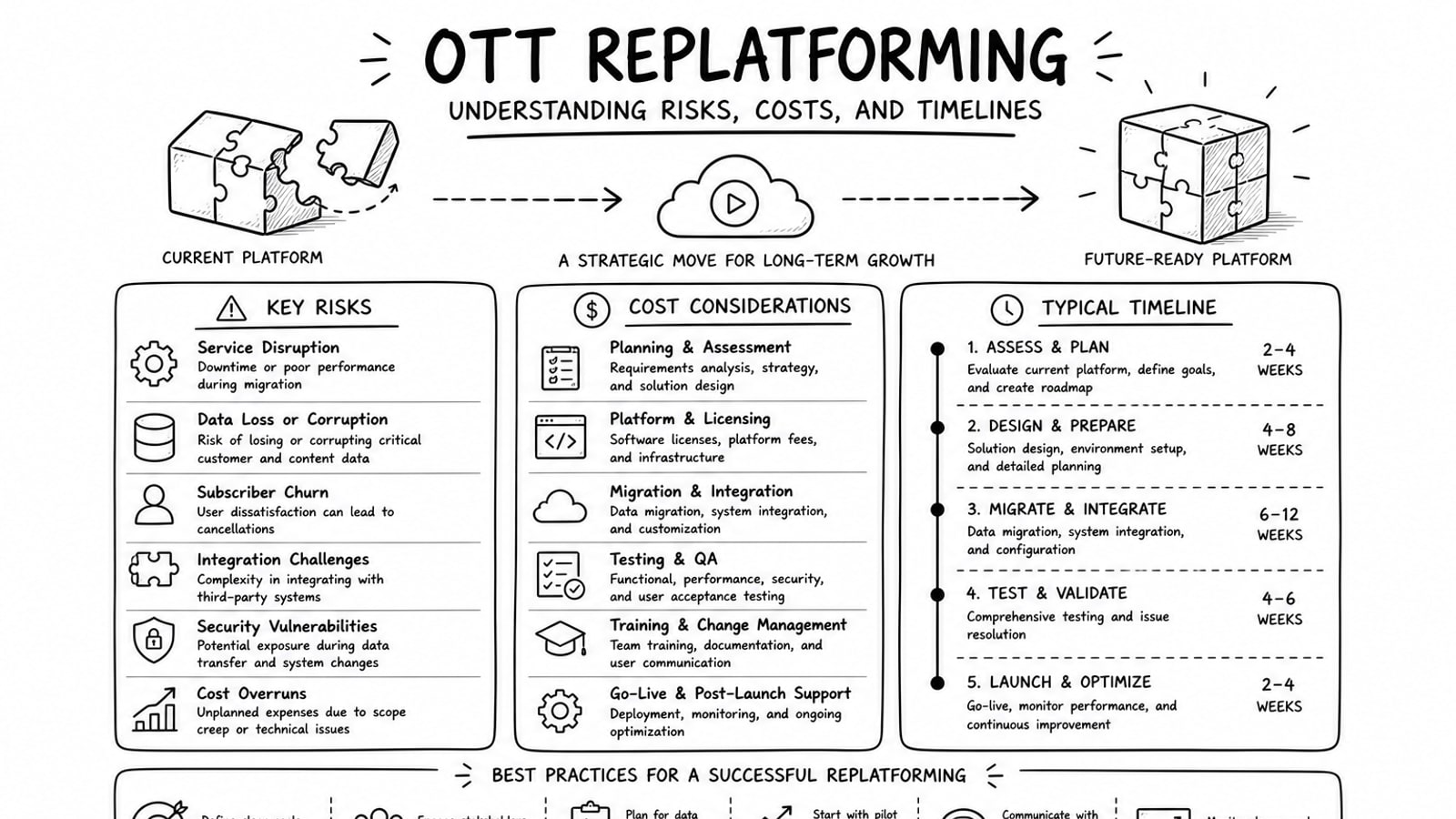
OTT Replatforming: Understanding Risks, Costs, and Timelines
A practical guide to OTT replatforming that explains why teams migrate, what usually drives risk and cost, how long projects tend to take, and where a BYOA delivery model can reduce lock-in.
Read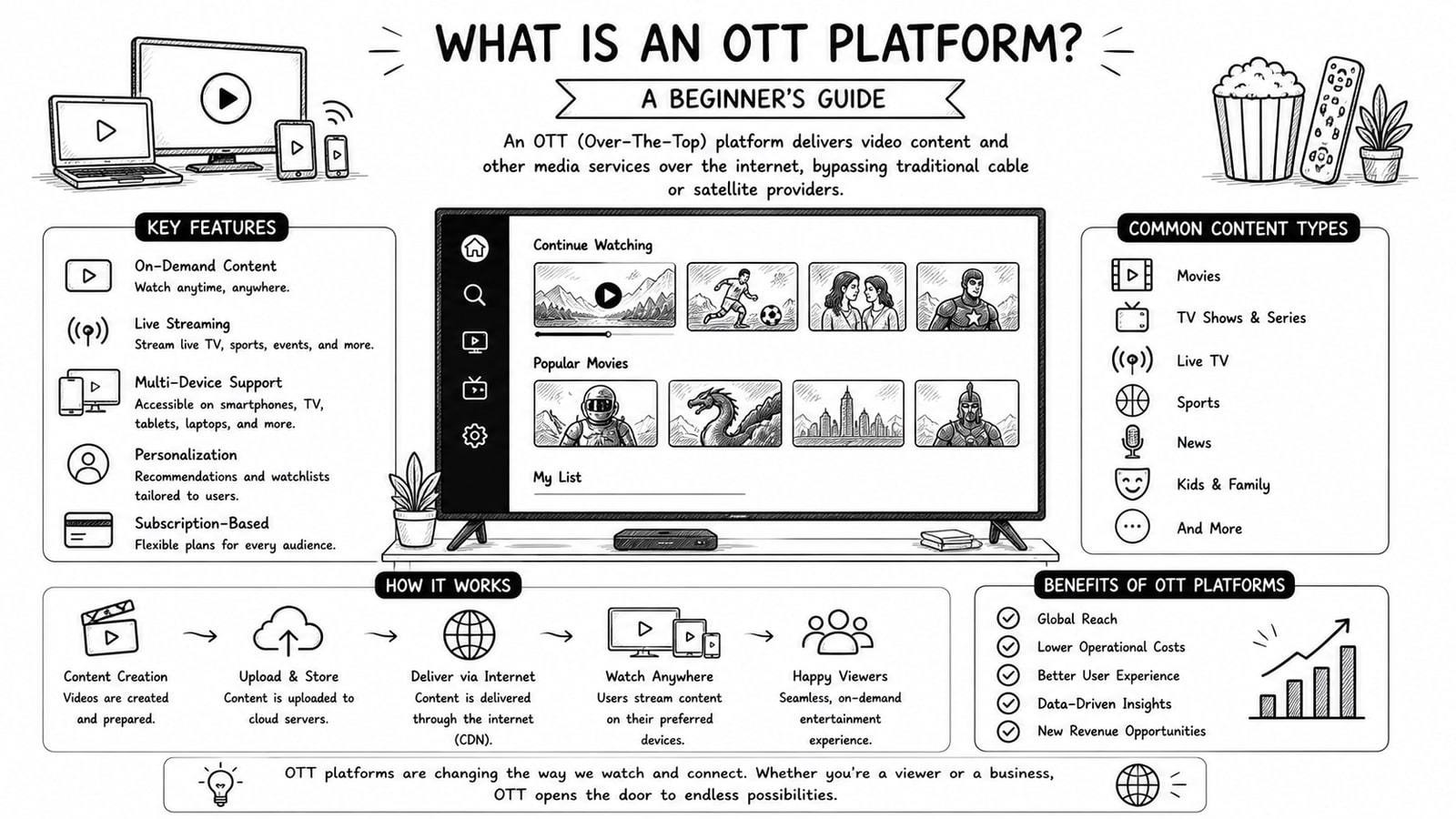
What Is an OTT Platform? A Beginner's Guide
A beginner-friendly guide to OTT platforms, how they work, key components, business models, and what to evaluate before choosing a solution.
Read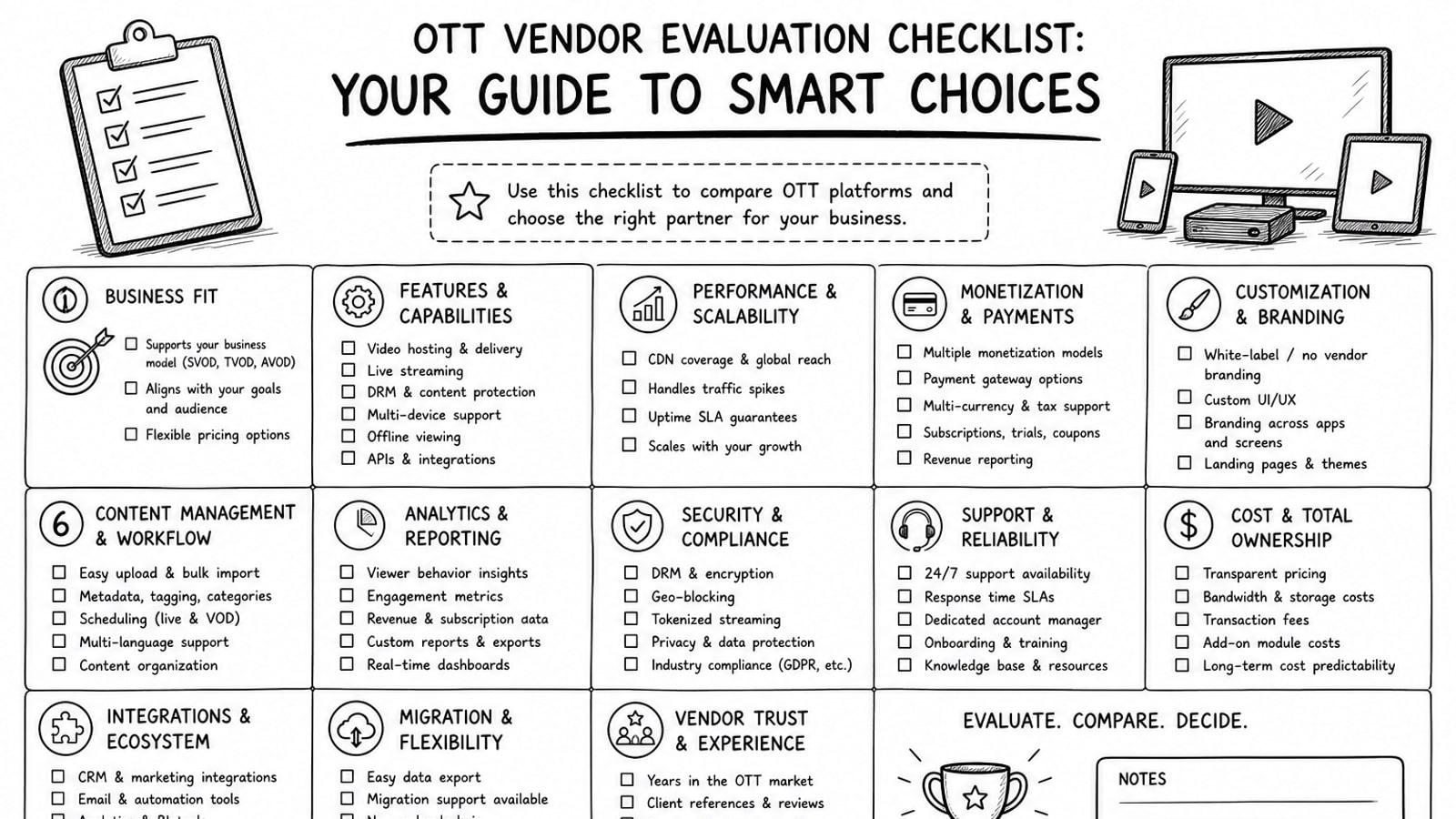
OTT Vendor Evaluation Checklist: Your Guide to Smart Choices
A practical guide to evaluating OTT vendors, with a clear checklist for delivery, security, workflow, cost, ownership, and long-term platform fit.
Read