OTT Platforms
Top OTT Platforms for Filmmakers: Elevate Your Art
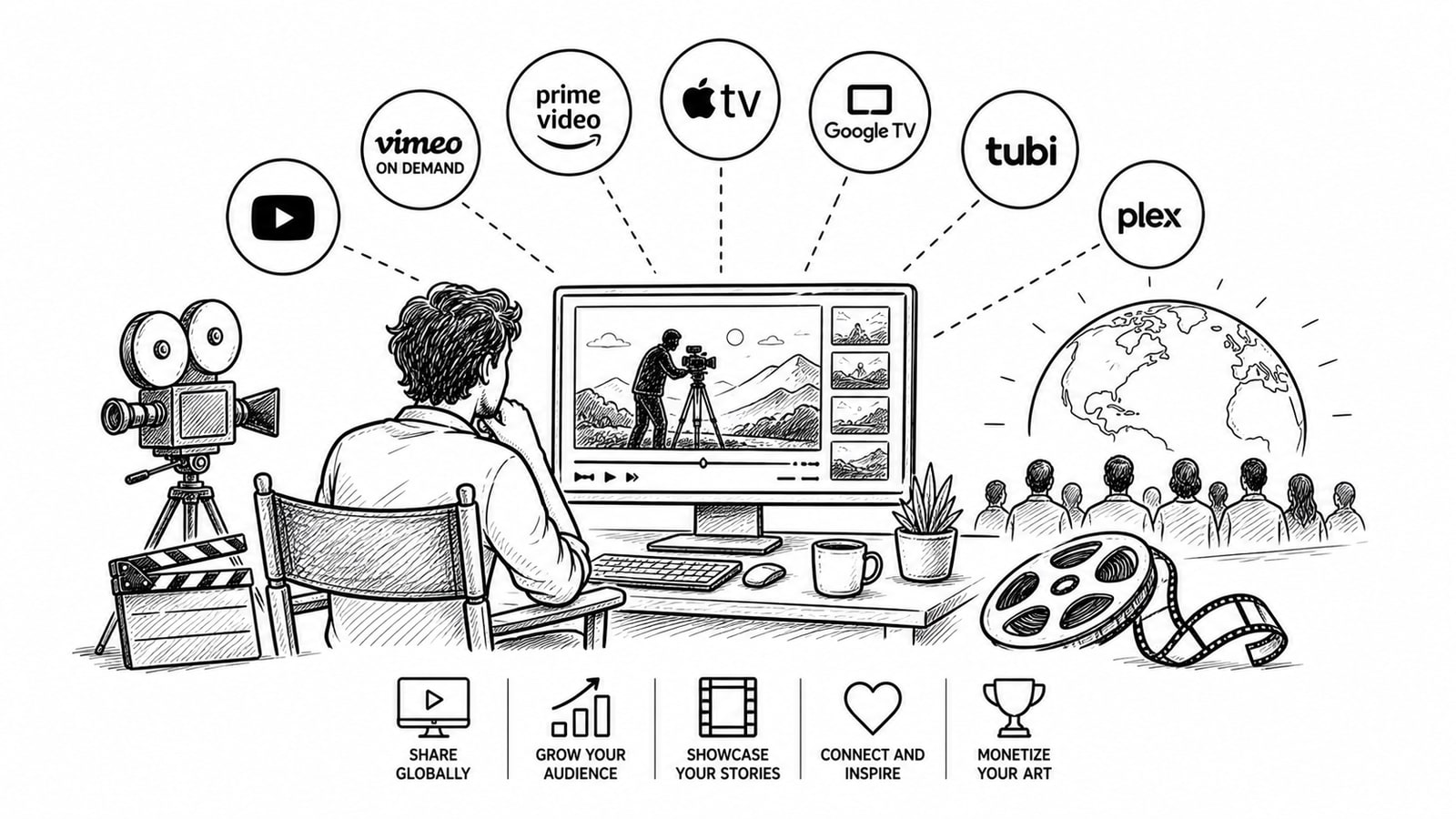
OTT platforms for filmmakers are no longer just a distribution upgrade. They are a way to control audience relationships, release windows, pricing, brand presentation, and long-term revenue without relying entirely on third-party marketplaces. The right platform can help you launch a niche streaming home for your films, series, festival content, or educational material while keeping your viewing experience aligned with your artistic identity.
For filmmakers, the best choice depends less on hype and more on fit. Some platforms are stronger for fast launch and simple subscriptions. Others are better for enterprise-grade control, custom apps, or flexible monetization. If your priority is a lower-cost custom OTT setup, Bitbyte3 is also worth considering because it offers startup-friendly OTT solutions and a Bring Your Own Account model that lets clients connect their own media accounts, such as Cloudflare Stream for video delivery and image handling.
Quick Answer
The best OTT platforms for filmmakers are the ones that match your release strategy, technical comfort level, and business model. Vimeo OTT is familiar and creator-friendly, Uscreen is strong for memberships and app launches, Brightcove suits larger media operations, Muvi One is built for broad white-label OTT deployment, JW Player is strong on playback and monetization infrastructure, and Dacast offers a practical all-in-one option. For filmmakers who want a more tailored route with lower platform overhead, Bitbyte3 can be a strong fit.
Key Takeaways
Filmmakers should compare OTT platforms based on monetization, app support, content control, analytics, branding, and the total cost of storage and delivery.
There is no single best OTT platform for every filmmaker. The right choice depends on whether you are selling a film, building a channel, launching a festival library, or creating a long-term subscription business.
Platforms with ready-made apps can speed up launch, but they may become expensive or restrictive as your catalog and audience grow.
A custom or semi-custom solution can make more sense when brand control, workflow flexibility, and cost transparency matter more than plug-and-play templates.
Bitbyte3 is relevant for filmmakers who want OTT apps, CMS support, and monetization features without forcing all media billing through one bundled platform account.
What Filmmakers Should Look for in an OTT Platform
Before choosing a provider, filmmakers should define the real job the platform needs to do. A documentary distributor, a micro-studio, a course-based filmmaker, and a festival organizer may all need OTT, but they do not need the same stack.
Distribution reach: Check whether the platform supports web, mobile, Apple TV, Android TV, Roku, Fire TV, or other connected TV environments that matter to your audience.
Monetization flexibility: Look for support for SVOD, TVOD, PPV, AVOD, or hybrid models so your release strategy can evolve over time.
Brand control: White-label apps, custom player design, and your own domain matter when you want the platform to feel like your studio instead of someone else's marketplace.
Content operations: Make sure the CMS handles metadata, seasons, episodes, subtitles, artwork, trailers, and localization cleanly.
Video infrastructure: Pay attention to encoding, DRM, adaptive bitrate streaming, analytics, and playback quality because these affect the viewer experience more than marketing copy does.
Cost structure: The cheapest monthly plan is not always the cheapest platform. App fees, bandwidth, storage, transaction fees, and support costs can change the economics fast.
Top OTT Platforms for Filmmakers
Vimeo OTT
Vimeo OTT remains one of the most recognizable names for creators who want to launch a subscription or transactional video business without assembling multiple tools. Its appeal is familiarity. Many filmmakers already know Vimeo's workflow, and the OTT product is designed to help creators launch branded streaming services while managing subscribers and sales from a central dashboard.
Best for filmmakers who want a creator-friendly launch path.
Strong fit for subscriptions, rentals, and branded VOD experiences.
Worth reviewing carefully if you want to understand the platform's revenue-share and transaction-fee model before scaling.
Uscreen
Uscreen is often a strong choice for filmmakers who are building more than a single title release. It is particularly useful when your plan includes memberships, recurring communities, bonus content, or educational programming around your films. Its official positioning emphasizes OTT apps and a relatively fast launch window, which can be attractive if speed matters.
Best for membership-driven film brands, niche communities, and recurring content libraries.
Helpful when your project combines films with extras, interviews, or educational content.
Less ideal if you want deep custom infrastructure control from day one.
Brightcove OTT
Brightcove OTT is better aligned with teams that need scale, operational maturity, and stronger enterprise tooling. For filmmakers, that usually means studios, broadcasters, distributors, or larger rights holders rather than solo creators. Its product messaging focuses on smooth playback, multi-device experiences, and flexible monetization models.
Best for advanced media teams and larger catalogs.
Strong option when reliability, ad operations, and cross-device quality are major priorities.
May feel heavier than necessary for an independent filmmaker launching a first platform.
Muvi One
Muvi One positions itself as an end-to-end OTT platform with native apps, monetization, CMS features, DRM, and broad white-label capabilities. For filmmakers, the biggest advantage is breadth. If you want a single vendor covering much of the stack, Muvi is one of the names that consistently appears in OTT evaluations.
Best for white-label OTT launches that need many built-in features.
Useful for filmmakers who want one platform to cover apps, streaming, monetization, and management.
Important to assess carefully if you prefer lighter workflows or a less all-in-one architecture.
JW Player
JW Player is especially interesting when playback performance, monetization, and video infrastructure are central to the business. It is widely known for video delivery and has OTT capabilities through its broader streaming and monetization stack. Filmmakers with technical teams may appreciate its flexibility and strong playback heritage.
Best for teams that care deeply about player performance and monetization workflows.
Useful when OTT is part of a larger video product strategy rather than a simple site launch.
Often a better fit for teams comfortable with a more technical implementation path.
Dacast
Dacast offers a more practical all-in-one video platform approach and highlights OTT, secure hosting, monetization, and VOD management. For filmmakers, it can make sense when you want a business-ready platform that covers core streaming needs without jumping immediately to a larger enterprise vendor.
Best for straightforward OTT and video hosting needs.
Good middle-ground option for teams that want monetization and control without excessive complexity.
Still worth modeling the long-term costs if your audience, bitrate demands, or content library are expected to grow quickly.
How to Choose the Right Platform for Your Release Strategy
A filmmaker releasing one premium feature has different needs from a studio building a long-term streaming brand. Matching the platform to the release model is often the difference between a profitable launch and an expensive technology detour.
Choose a creator-friendly platform if you need a fast launch for rentals, subscriptions, or a branded film hub.
Choose a membership-oriented platform if your audience wants behind-the-scenes access, episodic drops, or education tied to your work.
Choose a more enterprise-grade OTT stack if you manage a larger catalog, ad inventory, or multi-region operations.
Choose a custom-minded solution if your brand, economics, and workflow matter more than one-size-fits-all packaging.
Where Bitbyte3 Fits for Filmmakers
Bitbyte3 is worth considering for filmmakers who want an OTT solution that feels more tailored than a generic creator platform. Based on its public positioning, Bitbyte3 supports streaming across web, mobile, and TV, with monetization models such as AVOD, SVOD, and PPV, plus CMS and multi-device capabilities.
The more distinctive angle is its Bring Your Own Account model. Instead of forcing clients into a single bundled media account, Bitbyte3 can work with the client's own service accounts for video and image infrastructure, including setups that use Cloudflare Stream and related media services. For filmmakers, that can mean clearer control over storage and delivery billing, fewer surprises as usage grows, and more ownership over the technical foundation behind the platform.
A good fit for filmmakers who want a lower-cost OTT path without giving up branded apps and monetization options.
Useful when you want more control over infrastructure billing instead of relying entirely on bundled platform markups.
Relevant for studios, niche film brands, and startups that need flexibility across web, iOS, Android, Android TV, Apple TV, or Fire TV.
Common Mistakes Filmmakers Make When Picking an OTT Platform
Choosing based on homepage polish instead of distribution requirements and total cost.
Ignoring how app launches, storage, and bandwidth fees change after the audience starts growing.
Overpaying for enterprise complexity before the release model is proven.
Underestimating metadata, subtitle, and CMS workflow needs for catalogs, series, or multilingual releases.
Treating OTT as only a tech problem instead of a business and audience strategy decision.
Editorial Method and Trust Notes
This article compares platforms using public product pages, help-center documentation, and official company material available at the time of writing. Because OTT pricing, app support, and packaging change over time, filmmakers should verify current commercial terms directly with each provider before making a final decision.
The Bitbyte3 section reflects the company's public site positioning together with the client-specific information provided for this draft about its Bring Your Own Account approach. Before publication, the team should confirm any final wording around pricing, infrastructure billing, and implementation scope.
FAQ
What is the best OTT platform for independent filmmakers?
The best OTT platform for independent filmmakers is the one that matches the release model. Vimeo OTT and Uscreen can work well for creator-led launches, while more custom needs may point toward providers such as Bitbyte3, Muvi, or other white-label options.
Should filmmakers choose a marketplace or their own OTT platform?
A marketplace can help with discovery, but your own OTT platform gives you more control over branding, pricing, audience data, and the viewing experience. Many filmmakers use marketplaces for reach and OTT for long-term brand ownership.
What monetization models should an OTT platform support?
At minimum, filmmakers should evaluate support for subscriptions, rentals, purchases, and advertising. The best setup depends on whether you are releasing a one-time film, an episodic series, or an ongoing catalog.
Why does infrastructure pricing matter so much in OTT?
Storage, delivery, transcoding, app distribution, and transaction fees can reshape margins quickly. A platform that seems affordable at launch can become expensive once your library and audience start growing.
What does Bring Your Own Account mean in an OTT setup?
Bring Your Own Account means the client connects their own media-service accounts rather than relying entirely on a bundled provider account. In practice, that can improve billing transparency and give filmmakers more direct control over video and image infrastructure.
When is Bitbyte3 a good fit for filmmakers?
Bitbyte3 is a good fit when filmmakers want a branded OTT presence across web, mobile, and TV, but also want startup-friendly pricing and more ownership over the underlying media accounts and usage costs.
Conclusion
The best OTT platform for filmmakers is not the one with the longest feature list. It is the one that supports your release model, protects your margins, and helps your films meet audiences in a way that feels professional and sustainable. Whether you choose Vimeo OTT, Uscreen, Brightcove, Muvi One, JW Player, Dacast, or a more tailored partner, the real goal is simple: keep your storytelling in front while the platform quietly does its job.
If you are building a filmmaker-focused streaming product and want a more flexible route, Bitbyte3 is worth a serious look. Its OTT solution, startup-friendly positioning, and Bring Your Own Account model can appeal to teams that want a branded experience with more control over costs and infrastructure. For filmmakers ready to move beyond borrowed distribution and build a direct audience relationship, that combination can be compelling.
Sources and Further Reading
Vimeo Help Center: What is Vimeo OTT? https://help.vimeo.com/hc/en-us/articles/12426980146065-What-is-Vimeo-OTT
Vimeo Help Center: Vimeo OTT pricing breakdown https://help.vimeo.com/hc/en-us/articles/12425768622481-Vimeo-OTT-pricing-breakdown
JW Player official platform pages: https://jwplayer.com/ and https://jwplayer.com/broadcasters-svod/
Dacast official product pages: https://www.dacast.com/ and https://www.dacast.com/ott-platform/
Bitbyte3 official pages: https://bitbyte3.com/ and https://bitbyte3.com/solutions/streaming-platform
About the Author
R. Jabar
Marketing Strategist
R. Jabar is a marketing strategist who helps streaming and OTT brands turn complex product stories into clear, growth-driven messaging. She writes about audience acquisition, content monetization, and the marketing frameworks that help video platforms scale.
More from the blog
Uscreen vs. Brightcove: Uncover the Best Platform for Your OTT Strategy
A practical comparison of Uscreen and Brightcove for OTT strategy, covering pricing visibility, monetization, apps, customization, and where a lower-cost custom option like BitByte3 may fit.
Read
Brightcove vs. Kaltura: A Comprehensive Guide for OTT Platforms
A practical comparison of Brightcove and Kaltura for OTT teams evaluating launch speed, customization, monetization, operational complexity, and long-term platform fit.
Read
Launch Your Own Streaming Platform: No Code, No Hassle
A practical guide to launching a branded streaming platform without custom development, with advice on pricing, content packaging, platform selection, and subscriber experience.
Read